


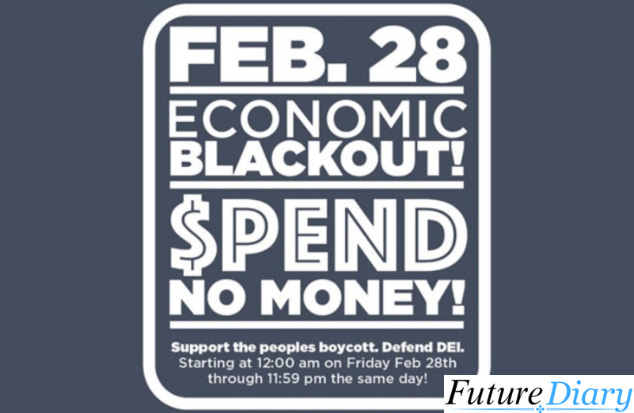
The term economic blackout has gained serious attention in recent years, especially during moments of global uncertainty, political tension, and rapid digital disruption. While it may sound dramatic, an economic blackout is not always a complete shutdown of a country’s economy. Instead, it describes a situation where economic activity is deliberately or effectively paused, restricted, or disrupted on a wide scale. This can happen due to protests, government policies, sanctions, digital payment failures, or even coordinated public action.
At its core, an economic blackout reflects a breakdown in normal financial flows. Businesses struggle to operate, consumers reduce or stop spending, and institutions face pressure to respond. Understanding how and why this happens is important because the effects can ripple far beyond borders, impacting supply chains, employment, and public trust.
This article explores the concept in depth, explains what causes an economic blackout, examines its short and long-term consequences, and looks at real-world examples. By the end, you will have a clear, practical understanding of why this concept matters in today’s interconnected world.
What Does an Economic Blackout Actually Mean?
An economic blackout refers to a period where economic activity is severely disrupted or intentionally halted. This disruption may be partial or widespread, temporary or prolonged. Unlike a traditional recession, which develops over time, an economic blackout often happens suddenly and feels immediate to everyday people.
In many cases, the trigger is not purely financial. Political protests, mass boycotts, banking restrictions, internet shutdowns, or payment system failures can all lead to an economic blackout. When people cannot access money, move funds, or participate in normal commerce, the economy effectively goes dark, even if infrastructure still exists.
Another important aspect is intent. Some economic blackouts are planned as acts of protest or pressure. Others emerge unintentionally due to system failures or crises. Regardless of intent, the outcome is similar: slowed or frozen economic activity that creates stress across multiple sectors.
Common Causes Behind an Economic Blackout
One major cause of an economic blackout is political or social unrest. Large-scale protests may encourage people to stop spending, avoid work, or shut down businesses for a set period. These actions are often designed to send a strong message to governments or corporations by hitting economic performance directly.
Another frequent cause is financial system disruption. This includes banking crises, payment processor outages, or restrictions on cash withdrawals. When people cannot access their money, daily transactions become difficult, leading to a practical economic blackout even without official announcements.
External pressure can also play a role. Sanctions, trade embargoes, or cyberattacks may isolate a country or sector from the global economy. In these situations, the blackout may not be complete, but it significantly limits economic interaction and growth.
“When money stops moving, trust erodes quickly. An economic blackout is often less about numbers and more about confidence.”
— Financial policy analyst
How an Economic Blackout Affects Businesses and Workers
For businesses, an economic blackout creates immediate uncertainty. Small businesses are often hit first because they rely on daily cash flow. When customers stop spending or payment systems fail, revenue drops sharply, sometimes overnight.
Larger companies may have reserves, but they are not immune. Supply chain interruptions, employee absenteeism, and reduced consumer demand can force companies to slow operations or temporarily close. Over time, this leads to layoffs, reduced hours, or delayed investments.
Workers face a different kind of pressure. During an economic blackout, wages may be delayed, job security weakens, and informal workers are especially vulnerable. The psychological impact is also significant, as uncertainty about income affects household decisions and long-term planning.
The Role of Digital Systems in Modern Economic Blackouts
In today’s world, digital infrastructure plays a critical role in economic activity. Online banking, mobile payments, and e-commerce platforms keep money moving efficiently. However, this reliance also creates new risks.
A digital failure, whether due to cyberattacks, technical outages, or government-imposed internet restrictions, can trigger an economic blackout faster than ever before. When payment apps go down or online platforms become inaccessible, even basic transactions become difficult.
At the same time, digital tools can help shorten the duration of an economic blackout. Alternative payment methods, decentralized finance options, and remote work platforms allow some economic activity to continue, even under restrictive conditions.
Historical and Recent Examples of Economic Blackout Events
History offers several examples that help explain how an economic blackout unfolds. In some countries, nationwide strikes have effectively paused transportation, manufacturing, and retail sectors, creating a temporary economic standstill.
More recently, coordinated consumer boycotts have demonstrated how collective action can reduce revenue for specific industries. While not always labeled as an economic blackout, the effect is similar when spending drops sharply across a broad base.
The following table highlights key characteristics seen in different economic blackout scenarios:
| Trigger Type | Duration | Primary Impact | Recovery Speed |
|---|---|---|---|
| Political protests | Short-term | Retail and transport | Moderate |
| Banking restrictions | Medium-term | Daily transactions | Slow |
| Digital system failure | Short-term | Online commerce | Fast |
| Sanctions and embargoes | Long-term | Trade and investment | Very slow |
These examples show that while causes differ, the underlying pattern remains consistent: economic activity slows dramatically until trust and access are restored.
Psychological and Social Impact of an Economic Blackout
Beyond numbers and charts, an economic blackout deeply affects social behavior. When people sense instability, they become cautious. Spending declines, savings increase, and risk-taking behavior drops across the population.
Social trust also plays a key role. If people believe the blackout is temporary and managed, cooperation remains high. If communication is poor or leadership appears uncertain, fear can spread quickly, making recovery harder.
Communities often respond in mixed ways. Some show resilience through mutual support and local trade, while others experience rising tension and frustration. These human reactions shape how long an economic blackout lasts and how painful it becomes.
Can an Economic Blackout Be a Tool for Change?
In some contexts, an economiic blackout is used intentionally as a tool for change. Organized shutdowns or spending freezes aim to force dialogue, reform, or accountability. When participation is widespread, the pressure can be effective.
However, this approach carries risks. Prolonged economic disruption can harm vulnerable groups more than decision-makers. If not carefully planned, the cost to ordinary people may outweigh potential gains.
The effectiveness of an econmic blackout as a strategy depends on clear goals, strong communication, and a defined exit path. Without these, the blackout may fade without achieving meaningful results.
“Economic pressure works best when it is focused, time-bound, and backed by public understanding.”
— Social movement researcher
Long-Term Consequences and Recovery After an Economic Blackout
Recovery from an economic blackoout varies widely. Short disruptions may result in little long-term damage, especially if trust returns quickly. In such cases, pent-up demand can even boost growth once normal activity resumes.
Longer blackouts are more complex. Businesses may close permanently, workers may leave the labor market, and foreign investors may hesitate to return. Rebuilding confidence becomes as important as restoring systems.
Governments and institutions play a central role in recovery. Transparent communication, policy support, and targeted relief measures help reduce long-term harm and encourage economic normalization.
Conclusion Why Understanding Economic Blackout Matters
The idea of an economic blackout may seem abstract at first, but its effects are very real. From disrupted livelihoods to shaken confidence, the consequences touch nearly every part of society. Whether caused by protest, policy, or system failure, an economic blackut exposes how interconnected and fragile modern economies can be.
Understanding this concept helps individuals, businesses, and policymakers respond more effectively. Awareness encourages preparation, resilience, and informed decision-making. As global systems grow more complex, the likelihood of temporary economic disruptions remains high. Knowing what an economic blackou is, and how it works, is no longer optional knowledge. It is part of understanding the world we live in.
Frequently Asked Questions About Economic Blackout
What is an economic blackout in simple terms?
An economic blackot is a period when normal economic activity is disrupted or paused. This can happen due to protests, financial system failures, or restrictions that prevent people from spending or accessing money.
Is an economic blackout the same as a recession?
No, an economic blackot is usually sudden and short-term, while a recession develops gradually over time. A blackout focuses on immediate disruption, whereas a recession reflects long-term economic decline.
Who is most affected during an economic blackout?
Small businesses, hourly workers, and informal laborers are often the most affected during an economc blackout. They rely on daily transactions and steady cash flow, which can stop suddenly.
Can an economic blackout be prevented?
Not all cases can be prevented, but strong financial systems, clear communication, and digital resilience can reduce the risk and severity of an economc blackout.
How long does it take to recover from an economic blackout?
Recovery time depends on the cause and duration. Short ecoomic blackout events may resolve in days or weeks, while longer disruptions can take months or even years to fully recover.
If you want, I can also optimize this further for your website structure, add internal linking suggestions, or tailor it to a specific country or audience.
