


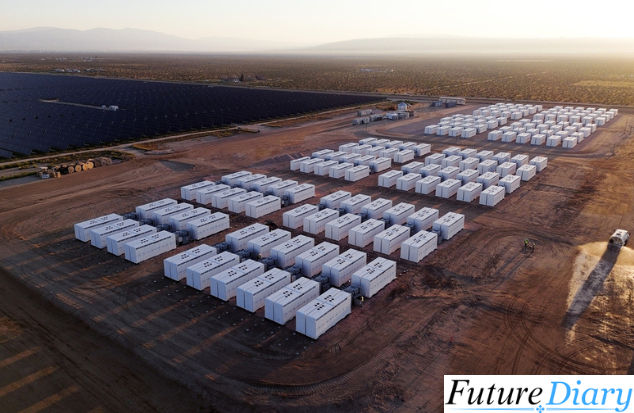
The global transition to clean power is accelerating, and few developments have drawn as much attention as the tesla china battery project renewable energy initiative. As the world’s largest electric vehicle market and one of the fastest-growing renewable energy producers, China plays a central role in shaping the future of energy storage. Tesla’s expansion into large-scale battery manufacturing in China signals more than just business growth. It represents a strategic shift toward stabilizing renewable grids, lowering storage costs, and strengthening global energy resilience.
While Tesla is widely known for its electric vehicles, the company’s energy division has quietly become a major force in grid-scale battery storage. The tesla china battery project renewable energy effort reflects this broader ambition. By combining advanced lithium-ion technology with China’s massive renewable infrastructure, the project aims to bridge the gap between intermittent solar and wind power and reliable, around-the-clock electricity supply.
Tesla’s Expansion in China’s Energy Market tesla china battery project renewable energy
Tesla’s presence in China began with the construction of Gigafactory Shanghai, which quickly became one of the company’s most productive facilities. That success laid the groundwork for deeper investment in energy storage. The tesla china battery project renewable energy strategy builds on this foundation, focusing not only on vehicles but also on large-scale battery production for domestic and international markets.
China has aggressively expanded its renewable capacity over the past decade. Massive solar farms and wind installations now feed into regional grids, but managing supply fluctuations remains a challenge. By situating battery production close to these energy hubs, Tesla can provide storage systems that help balance peak generation and peak demand. This move positions the company at the intersection of advanced manufacturing and national energy policy.
Why Energy Storage Matters for Renewable Growth
Renewable energy sources like solar and wind are clean but inconsistent. Solar panels generate electricity only when the sun shines, and wind turbines depend on weather patterns. Without efficient storage, surplus power during peak production often goes to waste. The tesla china battery project renewable energy initiative addresses this critical issue by delivering scalable battery solutions that store excess energy and release it when needed.
Battery storage enhances grid stability, reduces reliance on coal-fired backup plants, and supports long-term decarbonization goals. In a country the size of China, even minor improvements in storage efficiency can translate into substantial emissions reductions. By investing in advanced battery manufacturing locally, Tesla contributes to a more resilient and flexible energy ecosystem.
The Role of Tesla Megapack in China
At the heart of the tesla china battery project renewable energy plan is the Megapack system. Tesla’s Megapack is a large-scale lithium-ion battery designed for utility applications. Each unit can store substantial amounts of energy, making it ideal for grid stabilization and renewable integration.
In China, Megapack installations can support solar farms in desert regions and offshore wind projects along coastal provinces. These batteries allow operators to smooth out fluctuations and maintain steady electricity flow. As demand for clean power rises in industrial centers, reliable storage becomes even more essential.
The table below highlights the core features of Tesla’s Megapack technology relevant to China’s renewable goals:
| Feature | Description | Impact on Renewable Energy |
|---|---|---|
| High Energy Density | Stores large amounts of electricity in compact units | Maximizes land use efficiency |
| Grid-Scale Design | Built for utility-level deployment | Supports national power grids |
| Rapid Deployment | Modular system enables quick installation | Accelerates project timelines |
| Smart Software Integration | AI-driven energy management | Optimizes supply and demand balance |
These capabilities align closely with China’s push for digitalized, intelligent power systems.
Strategic Importance of China in Global Battery Supply
China dominates the global battery supply chain, from lithium processing to cell manufacturing. By establishing battery production within China, Tesla reduces logistical costs and secures access to critical materials. The tesla china battery project renewable energy expansion therefore strengthens both operational efficiency and supply chain resilience.
Local production also means faster delivery to regional renewable projects. Instead of shipping batteries across continents, Tesla can serve domestic customers directly. This reduces carbon emissions associated with transportation and shortens installation timelines. In a fast-moving energy market, speed and efficiency are significant advantages.
Moreover, China’s competitive manufacturing ecosystem enables cost optimization. Lower production expenses can translate into more affordable storage solutions, accelerating renewable adoption nationwide.
Economic and Environmental Impact
The tesla china battery project renewable energy initiative carries strong economic implications. It generates local employment, encourages technology transfer, and stimulates collaboration with Chinese suppliers. As battery demand grows, related industries such as raw material processing and power electronics also benefit.
From an environmental standpoint, large-scale storage systems support the reduction of fossil fuel dependence. China has committed to achieving carbon neutrality by 2060. Advanced battery storage plays a central role in meeting this target. By smoothing renewable output, batteries decrease the need for coal-fired backup power plants.
An energy analyst once summarized the significance clearly:
“Battery storage is the missing link in renewable expansion. Without it, clean energy cannot fully replace fossil fuels.”
This perspective underscores why the tesla china battery project renewable energy plan extends beyond corporate strategy. It aligns with national climate objectives and global sustainability trends.
Competition and Market Dynamics
Tesla is not alone in pursuing energy storage in China. Domestic companies such as CATL and BYD are also investing heavily in battery technology. However, Tesla’s integrated approach, combining hardware and proprietary software, sets it apart.
The tesla china battery project renewable energy focus benefits from Tesla’s experience in deploying storage projects worldwide. Lessons learned from installations in California, Australia, and Europe inform the company’s Chinese operations. This international expertise enhances system reliability and performance optimization.
Competition ultimately benefits the market. As companies innovate and reduce costs, renewable energy becomes more accessible. The resulting price competition can accelerate the transition away from fossil fuels.
Integration with China’s Renewable Infrastructure
China leads the world in installed solar and wind capacity. However, transmission bottlenecks and grid imbalances sometimes limit full utilization. The tesla china battery project renewable energy initiative supports more efficient integration of these resources.
In remote areas where renewable generation exceeds local demand, batteries can store surplus electricity and release it later. This reduces curtailment, a problem where renewable energy is wasted because the grid cannot absorb it in real time.
In urban regions, battery storage enhances reliability during peak consumption periods. As electric vehicle adoption rises, electricity demand will increase. Grid-scale batteries can absorb pressure during peak hours, reducing the likelihood of blackouts.
Technological Innovation and Future Outlook
The future of the tesla china battery project renewable energy strategy depends on continuous innovation. Improvements in battery chemistry, including higher energy density and longer cycle life, can further enhance system performance. Research into recycling and sustainable material sourcing also supports long-term viability.
Artificial intelligence and advanced analytics are increasingly integrated into energy management systems. Tesla’s software platforms can predict demand patterns and adjust storage output accordingly. This intelligent optimization reduces operational costs and enhances grid efficiency.
Looking ahead, expansion into distributed energy storage may complement utility-scale projects. Smaller commercial installations could support factories, data centers, and residential communities. The combination of large and small storage systems would create a layered, resilient energy network.
Global Implications of the Project
The tesla china battery project renewable energy development has global significance. As China scales battery production, international markets may benefit from increased supply and lower prices. This could accelerate renewable adoption in developing countries seeking affordable storage solutions.
Furthermore, Tesla’s success in China may inspire similar projects in other regions. Cross-border collaboration in battery technology and renewable integration could strengthen global climate action.
By integrating manufacturing expertise, advanced software, and renewable infrastructure, Tesla contributes to shaping a cleaner energy landscape worldwide.
Conclusion
The tesla china battery project renewable energy initiative marks a pivotal step in the evolution of global clean energy systems. By expanding battery production in China, Tesla addresses one of the most pressing challenges in renewable deployment: reliable storage. The project strengthens grid stability, reduces fossil fuel dependence, and supports ambitious carbon reduction goals.
Beyond its immediate economic benefits, the initiative represents a broader transformation in how energy is produced, stored, and consumed. As renewable capacity continues to expand, advanced battery systems will play a decisive role in ensuring sustainability and reliability. The collaboration between Tesla and China’s renewable sector highlights how innovation and strategic investment can drive meaningful environmental progress.
FAQs
What is the tesla china battery project renewable energy initiative?
The tesla china battery project renewable energy initiative refers to Tesla’s expansion into large-scale battery manufacturing in China to support renewable energy storage and grid stabilization.
How does the tesla china battery project renewable energy support solar and wind power?
The tesla china battery project renewable energy systems store excess electricity generated by solar and wind farms and release it when demand increases, reducing energy waste and improving grid reliability.
Why is China important for the tesla china battery project renewable energy strategy?
China is a global leader in renewable energy capacity and battery supply chains, making it a strategic location for scaling production and supporting domestic clean energy goals.
What technology is used in the tesla china battery project renewable energy systems?
The project primarily uses Tesla’s Megapack lithium-ion battery systems combined with advanced energy management software to optimize grid performance.
What are the environmental benefits of the tesla china battery project renewable energy?
The tesla china battery project renewable energy initiative helps reduce reliance on coal-fired power plants, supports carbon neutrality targets, and enables greater adoption of renewable energy sources.
