


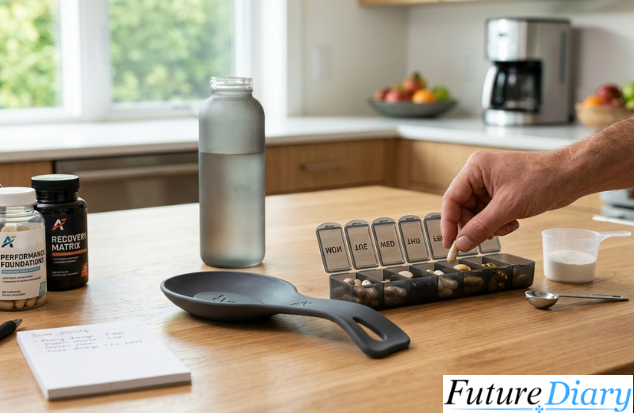
In today’s performance-driven world, athletes and fitness enthusiasts are constantly searching for ways to improve strength, endurance, recovery, and overall health. Supplements can play a meaningful role, but only when used strategically. That’s where supplement management thespoonathletic stands out. It is not about taking random powders or capsules. It is about building a structured, informed, and personalized system that aligns with training demands, nutritional needs, and long-term health goals.
When done correctly, supplement management becomes a powerful support system rather than a confusing guessing game. Many people waste money on products they do not need or use them incorrectly. A smarter approach ensures each supplement serves a clear purpose. This article explores how supplement management thespoonathletic works, why it matters, and how you can apply it effectively to elevate your performance and well-being.
Understanding the Core of Supplement Management TheSpoonAthletic
At its foundation, supplement management thespoonathletic is about structure and intention. Instead of chasing trends or copying what professional athletes use, this approach focuses on individual needs. Every athlete has different nutritional gaps, recovery patterns, and performance goals. A proper system evaluates those differences before introducing supplements.
This method also emphasizes balance. Whole foods remain the primary source of nutrients. Supplements are exactly what their name implies: additions to an already solid nutritional plan. By prioritizing real food and then strategically filling gaps, supplement management thespoonathletic avoids over-reliance on pills and powders. The result is a more sustainable and science-based approach to performance nutrition.
Why Athletes Need a Structured Supplement Strategy
Athletes face physical stress daily. Intense training increases the body’s demand for protein, micronutrients, electrolytes, and recovery support. Without a plan, it becomes easy to overlook deficiencies or double up unnecessarily on certain nutrients. That can lead to fatigue, poor performance, or digestive discomfort.
A structured system like supplement management thespoonathletic reduces those risks. It creates clarity around timing, dosage, and purpose. For example, protein supports muscle repair, creatine enhances strength output, and omega-3 fatty acids help manage inflammation. Each supplement has a role. When used strategically, they work together rather than against each other.
Here is a simple overview of common supplement categories within a structured management plan:
| Supplement Type | Primary Purpose | Ideal Timing |
|---|---|---|
| Protein Powder | Muscle recovery and growth | Post-workout or between meals |
| Creatine Monohydrate | Strength and power output | Daily, consistent timing |
| Electrolytes | Hydration and performance | During or after workouts |
| Omega-3 Fatty Acids | Inflammation support | With meals |
| Multivitamin | Nutritional coverage | Morning with food |
The key is personalization. Not every athlete needs every supplement.
Building a Personalized Supplement Framework
One of the strengths of supplement management thespoonathletic is personalization. Before adding anything to your routine, it is essential to assess three main factors: training intensity, diet quality, and health history. A marathon runner will have different needs than a powerlifter. A vegetarian athlete may require additional B12 or iron, while someone with heavy sweat loss may benefit from higher electrolyte intake.
The next step involves defining clear goals. Are you trying to build muscle, improve endurance, accelerate recovery, or maintain general health? Each goal changes the supplement strategy. A well-designed framework eliminates guesswork and reduces the risk of over-supplementation.
Consistency is equally important. Supplements often require daily use for optimal results. Creatine, for instance, works best when taken consistently rather than sporadically. Supplement management thespoonathletic emphasizes routine and tracking to measure effectiveness over time.
The Role of Nutrition Before Supplementation
A major misconception in the fitness world is that supplements can compensate for poor eating habits. They cannot. Whole foods provide fiber, antioxidants, phytonutrients, and a complex nutrient matrix that supplements alone cannot replicate. The philosophy behind supplement management thespoonathletic prioritizes real food first.
Lean proteins, whole grains, fruits, vegetables, and healthy fats form the base of performance nutrition. Once that base is solid, supplements fill specific gaps. This approach prevents dependency and encourages long-term health rather than short-term performance spikes.
As one sports nutrition expert once said:
“Supplements should enhance a strong nutrition plan, not replace one.”
That quote captures the essence of responsible supplement use.
Timing and Dosage: Getting It Right
Taking the right supplement at the wrong time can reduce its effectiveness. For example, fast-digesting protein after a workout supports muscle repair when the body is most receptive. Electrolytes during long training sessions help maintain hydration and prevent cramping.
Supplement management thespoonathletic integrates timing into the plan. Morning routines often include multivitamins and omega-3s with food. Pre-workout supplements may support focus and energy. Post-workout options focus on recovery and glycogen replenishment.
Dosage matters just as much as timing. More is not always better. Excessive intake of certain vitamins or minerals can create imbalances. A structured system ensures safe, research-backed dosages aligned with individual needs.
Common Mistakes in Supplement Use
Many athletes fall into similar traps. One common mistake is stacking multiple products with overlapping ingredients. This can lead to excessive caffeine intake or high levels of certain micronutrients. Another mistake is constantly switching brands without giving the body time to adapt.
Supplement management thespoonathletic avoids these issues through tracking and evaluation. Instead of reacting to marketing trends, it relies on evidence and personal response. Keeping a supplement log can help monitor performance changes, digestion, sleep quality, and recovery speed.
Another frequent mistake is ignoring hydration. No supplement can compensate for chronic dehydration. Water remains fundamental to performance.
Recovery and Supplement Synergy
Recovery is where real progress happens. Training creates stress, but recovery allows adaptation. Supplements play a supportive role in this process. Protein aids muscle repair, magnesium supports relaxation and muscle function, and omega-3s may assist in managing inflammation.
Supplement management thespoonathletic looks at how supplements interact rather than viewing them in isolation. For instance, combining protein intake with carbohydrates post-workout may improve glycogen restoration. Pairing vitamin D with dietary fat enhances absorption.
This synergy-based approach maximizes efficiency and ensures every supplement contributes to a cohesive system.
Safety and Quality Considerations
Not all supplements are created equal. Quality varies widely between brands. Third-party testing, transparent labeling, and reputable manufacturing practices are critical factors when choosing products. Athletes, especially competitive ones, must be cautious about contamination risks.
Supplement management thespoonathletic places strong emphasis on safety. Checking ingredient lists, verifying certifications, and consulting qualified professionals can prevent serious issues. Long-term health should always take priority over short-term performance gains.
It is also wise to reassess supplement needs periodically. As training cycles change, so do nutritional demands.
Integrating Supplement Management into Daily Life
Consistency makes the biggest difference. Creating a daily supplement routine linked to meals or workouts simplifies adherence. For example, keeping morning supplements near the breakfast area or placing post-workout protein near gym gear reduces missed doses.
Supplement management thespoonathletic encourages simplicity. A complicated routine with too many products often leads to burnout. A focused plan with clearly defined goals is easier to maintain over months and years.
Tracking progress helps refine the approach. Improvements in energy levels, strength gains, recovery speed, and sleep quality can indicate that the system is working. If results plateau, adjustments can be made.
Long-Term Benefits of a Structured Approach
The true value of supplement management thespoonathletic lies in sustainability. Quick fixes rarely deliver lasting results. A structured, informed plan supports consistent performance improvements without unnecessary health risks.
Over time, athletes develop greater awareness of their bodies. They understand how specific supplements influence performance and recovery. This awareness fosters smarter decision-making and reduces dependence on trends.
Ultimately, supplement management is about control and clarity. Instead of feeling overwhelmed by options, athletes follow a clear roadmap aligned with their goals.
Conclusion
Supplementation can be a powerful tool when approached strategically. Without structure, it becomes confusing and potentially ineffective. With a thoughtful system, it supports performance, recovery, and overall health.
Supplement management thespoonathletic offers a balanced and personalized approach. It prioritizes whole food nutrition, emphasizes safety, and integrates timing and dosage into a cohesive plan. Rather than chasing every new product on the market, this method focuses on what truly matters: individual needs and long-term results.
If you are serious about optimizing performance, adopting supplement management thespoonathletic can bring clarity and measurable progress. A structured plan transforms supplementation from guesswork into a strategic advantage.
Frequently Asked Questions
What is supplement management thespoonathletic?
Supplement management thespoonathletic is a structured approach to organizing and personalizing supplement use for athletes and active individuals. It focuses on identifying nutritional gaps, aligning supplements with training goals, and ensuring proper timing and dosage for optimal results.
How often should I review my supplement plan?
It is recommended to reassess your supplement management thespoonathletic plan every few months or when training intensity changes. Adjustments may be necessary based on performance goals, seasonal training shifts, or changes in diet.
Can beginners benefit from supplement management thespoonathletic?
Yes, beginners can benefit greatly. A structured plan prevents unnecessary spending and reduces the risk of improper use. Supplement management thespoonathletic ensures that even new athletes focus on essential, evidence-based supplements rather than marketing hype.
Is supplement management thespoonathletic safe for long-term use?
When implemented responsibly with proper dosages and quality products, supplement management thespoonathletic supports long-term health and performance. Periodic evaluation and professional guidance enhance safety.
Do I need professional guidance for supplement management thespoonathletic?
While it is possible to build a plan independently, consulting a sports nutritionist or healthcare provider can improve results. Professional input ensures that supplement management thespoonathletic aligns with your medical history, dietary habits, and performance objectives.
