


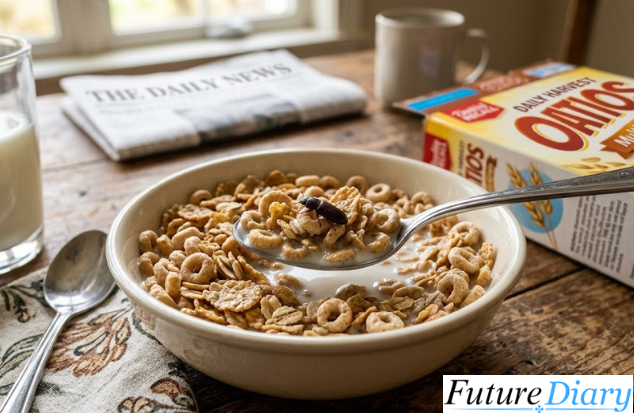
When you open a box of cereal in the morning, the last thing on your mind is bugs. You pour, you eat, you get on with your day. So when news about a breakfast cereal insect recall breaks, it hits differently than most food safety stories. It’s personal. These are products that sit on kitchen counters, get poured for kids before school, and are trusted because they come in a sealed box with a familiar logo on the front.
The reality is that insect-related recalls in the cereal industry are more common than most people realize, and the reasons behind them range from genuine manufacturing failures to issues that are actually part of how food is produced at scale. Understanding the difference matters. Not just for your peace of mind, but for making smart decisions when you see a recall notice in the news. This article breaks it all down: the specific recalls that have happened, what causes them, what regulators allow, and exactly what you should do if you have a recalled product sitting in your pantry.
What Triggered the Most Recent Breakfast Cereal Insect Recall
The most recent high-profile breakfast cereal insect recall involved Rude Health Foods, which issued an urgent recall through the UK’s Food Standards Agency (FSA) for its Chocolate Crunch Granola. The recall affected the 400g box with a best-before date of 24 October 2025, sold at Tesco and through Ocado.The FSA urged customers not to eat the product and to return it for a full refund.
The recall notice was clear: the product might contain insects, which could make it unsafe to eat. Point-of-sale notices were displayed in all retail stores selling the product. What made this recall notable was its speed. As soon as the contamination risk was identified, the company moved quickly through the official FSA channel rather than waiting for consumer complaints to pile up. That’s actually how the system is supposed to work, and it’s worth acknowledging when it does.
How Insect Contamination Gets Into Cereal in the First Place
Most people assume that food manufacturing facilities are airtight, clinical environments where nothing gets in that isn’t supposed to. The truth is a lot more complicated. In nearly every case, cereal recalls can be traced back to problems in the manufacturing process. If a misstep occurs within the farms where the grain is grown, the factories where the ingredients are processed, or the distribution chain moving the goods from place to place, the product’s quality becomes compromised.
Insects follow grain. That’s just biology. Grain weevils, flour beetles, and Indian meal moths are all drawn to the dry, starchy environments that cereal production depends on. Even though the processor may have taken the utmost care to produce an insect-free product, the distribution system from producer to consumer, including transport, wholesale warehousing, and retail storage, provides many opportunities for the product to become infested.The packaging that feels so secure to a consumer is actually less of a barrier than most people think, especially if there are any micro-tears or seal imperfections.
What the FDA Actually Allows in Your Cereal (This Part Will Surprise You)
Before you assume that any insect in any cereal automatically means something went terribly wrong, it’s worth understanding what regulators actually permit. The FDA’s Food Defect Action Levels are set based on the premise that certain naturally occurring contaminants pose no inherent hazard to health. These limits represent the point at which FDA will regard a food product as “adulterated” and subject to enforcement action under the Food, Drug, and Cosmetics Act.
Here’s a quick breakdown of some FDA allowances that might change how you think about this topic:
| Food Product | FDA Allowable Insect Defect Level |
| Cornmeal (per ¼ cup) | Average of 1 or more whole insects, or 50+ insect fragments |
| Wheat flour (per 50g) | Up to 75 insect fragments |
| Ground cinnamon (per 50g) | Up to 400 insect fragments |
| Chocolate (per 100g) | Up to 60 insect fragments |
| Wheat grain (per 100g) | Up to 32 insect-damaged kernels |
These action levels do not represent an average of the defects that occur in any of the products — the averages are actually much lower. The levels represent limits at which FDA will regard food as adulterated. So when a breakfast cereal insect recall gets issued, it means something exceeded even these thresholds, or involved whole insects in a way that crossed a clear line.
“It is economically impractical to grow, harvest, or process raw products that are totally free of non-hazardous, naturally occurring, unavoidable defects.” — U.S. Food and Drug Administration
This is not a loophole or a cover-up. It’s an honest acknowledgment that food comes from the ground, travels through complex supply chains, and cannot be made perfectly sterile without either destroying the food or making it impossible to produce at scale.
Notable Breakfast Cereal Recalls Linked to Contamination
The Rude Health recall is not an isolated event. The history of breakfast cereal recalls is longer and more varied than most consumers know, and several of them have had major real-world consequences for the companies involved.
Quaker Oats showed its weak spots in late 2023, when a big, multi-product recall impacted stores nationwide. The ordeal gained public attention on December 15, 2023, when Quaker recalled over 40 grocery items, ranging from granola bars, snack boxes, and breakfast cereal varieties. That initial recall expanded twice, and by the end of the process, more than 60 products had been pulled. The contamination was traced to a PepsiCo plant in Danville, Illinois, and in June 2024, PepsiCo permanently shuttered the Danville plant.
In 2018, Kellogg’s Honey Smacks were linked to a salmonella outbreak that sickened more than 135 people across 36 states, resulting in nearly three dozen hospitalizations. The contamination was traced to a manufacturing facility where salmonella had been detected in routine testing more than 80 times before the recall, yet employees failed to report the conditions to Kellogg’s. The Takeout That case eventually became the largest food safety fine and forfeiture case of its kind, with a settlement of $19.2 million.
The Difference Between an Insect Recall and a Microbial Recall
Not all cereal recalls are created equal, and this distinction genuinely matters for understanding how worried you should be. A breakfast cereal insect recall where whole insects or visible infestation are found is primarily an aesthetic and sanitation concern. It’s alarming to look at, yes. But the immediate health risk is generally lower than what comes with microbial contamination like salmonella.
Food safety educators have outlined the difference between what sounds gross and what is actually dangerous. Recalls typically center on microbial dangers, not on defects that stay within regulatory limits. Microbes enter food during growing, processing, or preparation, and this is what typically causes serious illness. The Hearty Soul That said, insects can carry pathogens. The FDA classifies certain insects as vectors of foodborne illness, which is why even a contamination that looks like a simple bug problem can carry a real health dimension depending on the species involved and the scale of infestation.
The FDA uses Defect Action Levels primarily as guidance rather than enforceable regulations. The levels serve as thresholds indicating what the FDA considers to be an unacceptable amount of specific natural or unavoidable defects. If a food product is found to exceed a DAL, it does not automatically mean that the FDA will take enforcement action, but the violation can flag the product for closer scrutiny.
What to Do If You Have a Recalled Cereal Product
The steps are simple but most people skip them because they assume the cereal they bought months ago is probably fine. It might be. But checking takes two minutes and the downside of not checking is real.
First, check the brand name and specific product variant against the official recall notice. Not every variety from a brand gets recalled, and buying the same brand in a different flavor doesn’t automatically make you affected. Second, look at the best-before date or production code on the box. Recalls are almost always specific to particular date ranges or lot numbers. Third, don’t eat it if there’s any doubt. The refund process for recalled products is straightforward. Most retailers will accept returns without a receipt when a formal recall has been issued.
The FSA and similar food safety agencies consistently urge customers who have purchased recalled products not to consume them and to return the cereal for a full refund. AOL That advice applies whether the product looks fine or not. Insect contamination in cereal is not always visible to the naked eye, especially when the issue involves larvae or eggs rather than adult insects.
How Food Companies Are Supposed to Handle These Situations
A breakfast cereal insect recall puts a company’s crisis response under the microscope, and the differences in how companies handle these moments can define their reputation for years. The gold standard involves fast identification, transparent communication, and proactive coordination with regulators rather than waiting to be forced into action.
For dry foods like cereals and spices, factories are supposed to use equipment that is easy to clean and rely on dry cleaning instead of hoses. They also take regular swabs and tests to spot any early signs of potential food contamination. If a test indicates an issue, they pause, clean again, and retest the line. The Hearty Soul When companies skip these steps or delay acting on test results, the outcome tends to be much worse, both for public health and for the brand. The Quaker situation is a case study in what happens when a contaminated facility stays operational too long.
Regulators allow reconditioning when a firm can prove that it understands the contamination, has a plan to remove it, and can verify success. For certain products, this may include rework steps like boiling, skimming, or sieving. However, reconditioning is not a loophole — it is a controlled pathway that requires documented evidence and can be rejected by authorities. The Hearty Soul
How to Monitor Cereal Recalls Going Forward
Staying informed about a breakfast cereal insect recall or any other food safety issue doesn’t require constantly checking news sites. There are better systems for this. The FDA maintains a public recall database at FDA.gov where you can search by product category, brand, or date. The USDA does the same for meat and egg products. In the UK, the FSA publishes all active recalls through its website and app.
Signing up for direct email alerts from the FDA or FSA takes about 90 seconds and means you’ll know about any cereal recall the day it’s announced rather than seeing it on social media a week later when everyone is already panicking. Some grocery apps also now push notifications when a recalled item matches something you’ve previously purchased, which is genuinely useful.
The broader takeaway here is that food safety systems are designed to catch these problems and alert consumers. The system isn’t perfect, but recalls being issued quickly is actually evidence that oversight is working, not proof that something has fundamentally broken down.
Conclusion
A breakfast cereal insect recall is unsettling by nature. Cereal is one of the most trusted, everyday food products in most households, and finding out that bugs may have made it into the box upends a basic sense of food safety. But understanding the full picture makes it easier to respond calmly and correctly.
Some level of insect presence in grain-based foods is a natural result of growing and processing food at scale, and regulators have built a framework that distinguishes between unavoidable trace contamination and genuine safety violations. When a formal recall happens, it means that threshold has been crossed and the system is doing its job. Your job is to check whether you’re affected, avoid the product if you are, get your refund, and move on.
The real concern isn’t that recalls happen. It’s making sure companies act fast when they do, and that consumers have easy access to the information they need. On both counts, the system has room to improve, but it is functional. Stay subscribed to FDA alerts, check your pantry when news breaks, and trust that a cereal recall making headlines is almost always a sign that oversight caught the problem before it became something worse.
Frequently Asked Questions
Is a breakfast cereal insect recall dangerous to my health?
It depends on the nature and scale of the insect contamination. Food safety educators distinguish between what sounds gross and what is actually dangerous. Most recalls center on microbial dangers, not defects that stay within regulatory limits. The Hearty Soul That said, some insects can carry bacteria, and whole insects in food can indicate broader sanitation failures in the manufacturing facility. If you’ve consumed a product subject to a breakfast cereal insect recall and you develop symptoms like nausea, vomiting, or diarrhea, contact a healthcare provider. For most healthy adults, eating a small amount of insect-contaminated cereal is unlikely to cause serious harm, but you should still stop consuming the product immediately once you’re aware of a recall.
How do I know if my cereal box is part of a recall?
Check the brand name, the specific product variant, and the best-before or lot code printed on the packaging against the official recall notice from the FDA, USDA, or FSA depending on your country. Recalls are almost always tied to specific production batches, not entire product lines. A breakfast cereal insect recall affecting one granola variety from a brand does not mean every product that brand makes is unsafe. The FDA’s recall database at FDA.gov is the most reliable source for US consumers, and the FSA website covers UK recalls.
Can I get a refund if my cereal was recalled?
Yes. The FSA and similar agencies urge customers to return recalled products for a full refund. AOL In practice, most major retailers will process this refund without a receipt once a formal recall has been issued, because they have records of which products are affected. Contact the retailer where you purchased the cereal or reach out directly to the brand’s customer service line. Many brands also set up dedicated recall hotlines when a major breakfast cereal insect recall is announced.
Why does the FDA allow any insect fragments in food at all?
The FDA’s Food Defect Action Levels exist because it is economically impractical to grow, harvest, or process raw products that are totally free of non-hazardous, naturally occurring, unavoidable defects. FDA Insects exist in agricultural environments. During harvesting, milling, and processing, microscopic fragments can pass through even well-maintained systems. The FDA draws a line between trace contamination that poses no health risk and the kind of infestation that requires regulatory action. A breakfast cereal insect recall typically involves the latter — visible insects, significant infestation, or contamination that goes well beyond these baseline tolerances.
What steps should I take immediately after hearing about a breakfast cereal insect recall?
Stop eating the product if you have it, even if it looks fine. Then check the specific details of the recall notice — brand, product name, variant, and date codes — against what’s in your pantry. Don’t assume because you bought it recently that it’s safe; recalls often affect products already in consumer homes. Return the product to the retailer for a refund. If you’re in the US, you can also report the product to the FDA’s MedWatch system, which helps track the scope of recalls. Finally, sign up for FDA recall alerts so future notices reach you directly rather than through secondhand news.
