


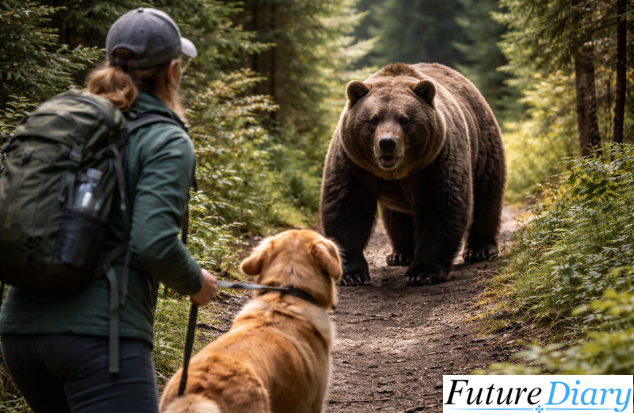
A grizzly bear dog walker encounter is the kind of story that immediately captures attention. It combines the unpredictability of wildlife with the routine of everyday life. In many parts of North America, especially in mountainous or forested regions, people regularly walk their dogs along trails, rural roads, and park paths. These same landscapes are also home to powerful predators like the grizzly bear. When the two worlds collide, the results can range from harmless curiosity to dangerous confrontation.
Understanding how a grizzly bear dog walker encounter unfolds is important for hikers, pet owners, and anyone living near wildlife habitats. While these events are relatively rare, they highlight the delicate balance between human activity and natural ecosystems. Learning about bear behavior, safety practices, and real-life experiences can help people stay safe while respecting wildlife.
Understanding the Behavior of Grizzly Bears
A grizzly bear dog walker encounter often depends heavily on how the animal behaves in the wild. Grizzly bears are powerful omnivores known for their size, strength, and territorial instincts. Adult males can weigh over 600 pounds, while females are typically smaller but equally protective, especially when cubs are involved. These animals rely on their strong sense of smell and awareness of their surroundings to navigate their environment.
Despite their intimidating reputation, grizzlies usually prefer to avoid humans. Most bears will move away when they detect human voices or scent. However, when a grizzly bear dog walker encounter occurs, it often happens because the bear was surprised or felt threatened. Bears may react defensively if they perceive a dog or human as a threat, particularly if they are guarding food or cubs.
Wildlife experts frequently remind hikers that understanding animal behavior is the first step toward avoiding dangerous situations. According to the National Park Service, many bear incidents happen because people unknowingly enter bear territory without making their presence known.
“Most bears are not aggressive by nature. Problems usually arise when bears feel surprised, cornered, or threatened,” wildlife officials often explain in safety guidance.
Why Dog Walkers Sometimes Encounter Grizzlies
Many outdoor areas where people enjoy walking their pets overlap with bear habitats. A grizzly bear dog walker encounter can occur when trails pass through forests, river valleys, or alpine meadows where bears search for food. Berries, fish, insects, and carcasses all attract bears to these environments.
Dogs can complicate the situation. When a dog runs ahead or wanders off the trail, it may accidentally approach a bear. In some cases, the dog returns to its owner with the bear following behind. This sudden interaction can quickly escalate into a tense grizzly bear dog walker encounter, especially if the animal feels challenged or threatened.
Another factor is seasonal bear activity. During late summer and fall, bears increase their feeding in preparation for winter hibernation. At this time, they spend more hours foraging and may appear closer to trails or populated areas. This seasonal behavior increases the likelihood of a grizzly bear dog walker encounter in regions where humans and wildlife share space.
Real-Life Examples of Unexpected Encounters
Across North America, several documented stories highlight how unpredictable a grizzly bear dog walker encounter can be. Some involve hikers who suddenly spotted a bear across a trail, while others describe dramatic moments when a bear appeared only a few meters away.
In one widely discussed incident in western Canada, a dog walker rounding a bend in a wooded trail came face-to-face with a large bear feeding near the path. The walker calmly backed away while keeping the dog close, allowing the bear to move off without confrontation. The experience showed how remaining calm can help defuse a potentially dangerous grizzly bear dog walker encounter.
Another example occurred in a mountainous region of the United States where a bear followed a dog briefly before losing interest once the owner gathered the pet and slowly left the area. These stories often emphasize that most encounters do not result in injury if people respond carefully and avoid sudden actions.
Experts often emphasize one important lesson from these stories.
“Your reaction in the first few seconds can determine whether an encounter stays peaceful,” say wildlife safety educators.
Safety Tips for Dog Walkers in Bear Country
Preparing for the possibility of a grizzly bear dog walker encounter is one of the most effective ways to stay safe outdoors. People who regularly explore trails in bear habitats should follow several basic safety practices that reduce risk.
One key strategy is keeping dogs on a leash. When dogs roam freely, they may unknowingly provoke wildlife. Keeping them close ensures better control during an unexpected grizzly bear dog walker encounter. Leashed pets also prevent situations where a frightened dog runs back toward its owner with a bear chasing behind.
Making noise while walking is another helpful habit. Talking, clapping, or using a bell alerts wildlife to human presence. Bears usually avoid confrontation and will often leave the area before hikers arrive.
Carrying bear spray is widely recommended by wildlife experts. This deterrent spray can temporarily stop a charging bear and give a person time to retreat safely. Knowing how to use it properly is crucial before entering areas where a grizzly bear dog walker encounter might occur.
Comparing Bear Encounter Risks in Different Locations
The likelihood of encountering bears varies depending on geography and local wildlife populations. Certain regions are known for frequent bear activity, while others rarely see these animals.
| Region | Bear Population Level | Typical Encounter Risk |
|---|---|---|
| Mountain National Parks | High | Moderate to High |
| Rural Forest Trails | Moderate | Moderate |
| Urban Edge Areas | Low to Moderate | Low |
| Remote Wilderness Areas | High | Moderate |
This table shows how environment influences the chances of a grizzly bear dog walker encounter. Areas with large wilderness zones naturally host more wildlife, while urban regions see fewer interactions.
Understanding local wildlife patterns can help dog walkers plan safer routes and choose trails where encounters are less likely.
What to Do During a Bear Encounter
When a grizzly bear dog walker encounter actually happens, remaining calm is essential. Panic or sudden movements may trigger a defensive reaction from the animal. Experts recommend standing your ground, speaking calmly, and slowly backing away without turning your back.
If the bear approaches, making yourself appear larger can help signal that you are not prey. Raising your arms, holding your dog close, and maintaining eye contact without staring aggressively can sometimes discourage the animal.
In rare cases where a bear charges, bear spray can be used as a last line of defense. Wildlife authorities often note that properly used spray has a high success rate in stopping aggressive bears.
The most important rule is giving the animal space. Most bears will leave once they feel the threat has passed. A grizzly bear dog walker encounter often ends peacefully when the human avoids escalating the situation.
The Role of Education and Awareness
Public awareness plays a major role in reducing dangerous wildlife encounters. Many communities located near forests or national parks run educational programs about living safely alongside bears. These programs teach people how to store food properly, manage garbage, and behave responsibly on trails.
Education also helps prevent unnecessary fear. While a grizzly bear dog walker encounter can sound frightening, understanding the animal’s habits helps people react rationally instead of panicking.
Wildlife conservation groups often stress that coexistence is possible when humans respect natural habitats. Responsible outdoor recreation protects both people and wildlife.
How Communities Reduce Bear Encounters
Communities near bear habitats often take proactive measures to minimize encounters. Bear-resistant garbage containers, warning signs on trails, and seasonal trail closures are all common strategies. These efforts help reduce the chances of a grizzly bear dog walker encounter in areas with frequent wildlife activity.
Local authorities also track bear sightings and share alerts with residents. When a bear is spotted repeatedly near populated areas, officials may temporarily restrict access to certain trails or advise pet owners to avoid specific locations.
These strategies highlight the importance of cooperation between wildlife experts and local communities. When everyone follows safety guidelines, both humans and bears benefit from safer shared environments.
Conclusion
A grizzly bear dog walker encounter reminds us how closely human life and wildlife habitats can overlap. While these encounters may seem alarming, they are often manageable when people understand bear behavior and follow safety precautions. Most bears prefer to avoid humans, and many situations end peacefully when hikers remain calm and respectful of the animal’s space.
For dog walkers exploring forests, mountains, or rural trails, preparation is the key to safety. Keeping pets under control, carrying bear spray, making noise while walking, and staying aware of surroundings can dramatically reduce risks. With the right knowledge and respect for nature, people can enjoy outdoor adventures while sharing the landscape responsibly with wildlife.
Frequently Asked Questions
What should you do during a grizzly bear dog walker encounter?
During a grizzly bear dog walker encounter, remain calm and avoid running. Slowly back away while keeping your dog close. Speak calmly and give the bear space so it can leave without feeling threatened.
Are grizzly bears likely to attack dog walkers?
A grizzly bear dog walker encounter rarely leads to an attack. Most bears prefer avoiding humans and will retreat if they sense people nearby. Problems usually happen when bears are surprised or protecting cubs or food.
Can dogs trigger aggressive bear behavior?
Yes, dogs can sometimes trigger defensive reactions. In a grizzly bear dog walker encounter, a dog running toward a bear may provoke the animal or cause it to chase the dog back toward the owner. Keeping pets leashed greatly reduces this risk.
Is bear spray effective in bear encounters?
Bear spray is widely considered one of the best tools for preventing injury during a grizzly bear dog walker encounter. When used correctly, it can deter a charging bear and create enough time for the person to move away safely.
Where are grizzly bear encounters most common?
A grizzly bear dog walker encounter is most common in regions with large bear populations such as mountainous national parks, forested wilderness areas, and remote rural trails. Checking local wildlife alerts can help hikers avoid high-risk areas.
