

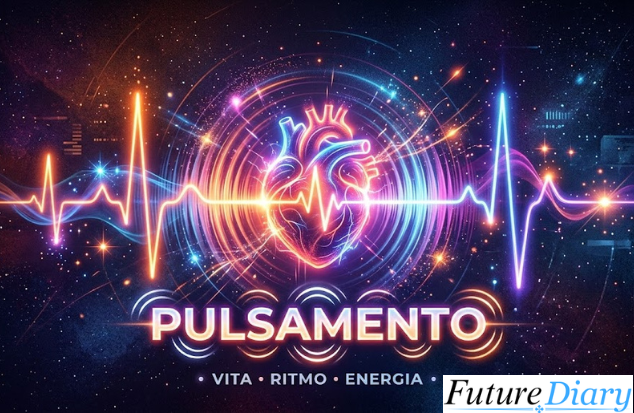
Language often evolves in fascinating ways, and sometimes a single word captures an entire idea or experience. One such term is pulsamento, a word that has begun appearing in discussions about rhythm, digital culture, art, and even emotional expression. Although it may sound unfamiliar at first, the concept behind it connects to something very human: rhythm, movement, and the sense of something alive and active.
At its core, pulsamento refers to a sense of pulsing energy or rhythmic motion. It can describe the beat in music, the rhythm of life, or even the dynamic flow of ideas and technology. As more people explore creative fields, digital spaces, and wellness concepts, this term is increasingly used to explain patterns of motion and vitality that influence how we experience the world.
Pulsamento in Modern Digital Culture
In recent years, the concept has found new life in digital spaces. Designers, programmers, and digital artists sometimes use rhythmic animations or repeating visual patterns to create engaging experiences. These patterns help guide the viewer’s attention and make digital content feel more interactive.
In digital design, subtle animations can create a sense of pulsamento within an interface. Buttons may gently pulse to attract attention, backgrounds might move slowly in rhythmic patterns, or sound effects may repeat at steady intervals. These techniques help make technology feel more responsive and human-centered.
As a result, the idea of rhythmic motion is no longer limited to music or art. It now appears in user interface design, digital storytelling, and even virtual environments.
Understanding the Core Meaning
The word pulsamento is closely tied to the idea of pulsation. In simple terms, it describes a repeating rhythm or wave-like movement that creates a sense of continuity and flow. Think about a heartbeat, a musical beat, or the gentle rise and fall of ocean waves. All of these patterns share a rhythmic quality that reflects the essence of the concept.
Beyond its literal meaning, the term is also used metaphorically. Artists, writers, and designers sometimes use pulsamento to describe the energy that runs through creative work. It suggests that something is alive, dynamic, and constantly moving forward rather than static or predictable.
Linguistic Roots and Cultural Influence
Many linguists believe that the idea behind pulsamento comes from Latin-based languages where words related to “pulse” or “pulsation” are common. In several European languages, similar terms describe rhythmic vibration or repeated motion. Over time, these meanings expanded to include emotional and artistic expressions of rhythm.
Culturally, the concept appears in music, dance, and storytelling traditions around the world. Communities often describe the rhythm of their culture as a living pulse that drives creativity and identity. In this sense, pulsamento represents more than a technical term. It becomes a way to describe the living energy within art and community.
“Rhythm is the heartbeat of creativity, and every culture expresses it in its own unique pulse.”
The Role of Rhythm in Music and Art
Music is one of the easiest places to understand the idea of pulsamento. Every piece of music has a rhythm that guides the listener through the composition. Drums, bass lines, and repeating melodies create a sense of movement that listeners naturally respond to.
Artists and designers also apply similar principles in visual work. Patterns, repeating shapes, and flowing lines can create a visual rhythm that mimics the same sensation as sound. When viewers experience this type of pattern, they often describe the artwork as having a living or breathing quality.
“Art becomes powerful when it carries a rhythm that people can feel, not just see.”
This connection between sound, motion, and emotion helps explain why rhythmic concepts continue to influence modern creativity.
Why the Concept Is Gaining Popularity
There are several reasons why discussions about pulsamento have become more common in recent years. One major factor is the growing interest in mindfulness and awareness of natural rhythms. People are paying closer attention to how breathing, heart rate, and daily routines affect their well-being.
Another reason is the rise of creative digital platforms. Content creators often experiment with visual rhythm and repeating patterns to capture attention in crowded online spaces. Short videos, animated graphics, and looping visuals all rely on rhythmic patterns that mirror the concept.
Because of these influences, the idea is now being explored in multiple fields including design, music production, and personal wellness.
Practical Examples in Everyday Life
Although the term may sound abstract, examples of pulsamento appear in everyday life. The human heartbeat is perhaps the most direct example. It provides a steady rhythm that keeps the body functioning and symbolizes life itself.
Another example can be seen in city environments. Traffic lights, pedestrian flows, and public transportation schedules create repeating patterns that shape how people move through urban spaces. Even social media platforms follow rhythmic cycles as posts appear, trends rise, and conversations evolve.
These examples show how rhythm and motion are woven into daily experiences, whether people consciously notice them or not.
Fields Where the Concept Appears
The influence of rhythmic motion and pulsing patterns can be seen across many disciplines. The following table highlights some areas where the idea often appears.
| Field | How Rhythm Appears | Example |
|---|---|---|
| Music | Beats and tempo | Drum patterns and bass rhythms |
| Visual Art | Repeating shapes and patterns | Geometric or abstract artwork |
| Digital Design | Animated loops or visual pulses | Interactive buttons or loading icons |
| Wellness | Breathing and heart rhythms | Meditation techniques |
| Architecture | Structural patterns and spacing | Repeating columns or wave-like structures |
This table illustrates how the underlying idea can apply to both creative and practical environments.
The Emotional Connection to Rhythm
One reason rhythmic patterns are so powerful is that humans respond to them naturally. Our bodies operate on cycles such as breathing, sleeping, and heartbeats. Because of this, repeating patterns often feel calming or engaging.
The emotional side of pulsamento can also appear in storytelling. Writers may describe a narrative as having a rhythm that moves between tension and relief. This rhythm keeps readers engaged and emotionally connected to the story.
When rhythm is used effectively, it becomes a subtle but powerful tool for communication and expression.
Future Possibilities and Evolving Meaning
As technology continues to evolve, the concept of pulsamento will likely gain even more interpretations. Virtual reality, immersive media, and interactive storytelling all rely heavily on rhythm and sensory patterns.
In the future, designers may experiment with rhythmic environments that respond directly to human movement or heart rate. Imagine spaces where lighting, sound, and visuals shift based on the user’s physical rhythm. These experiences could create deeper connections between technology and human perception.
The evolving meaning of the word shows how language adapts to describe new creative and technological ideas.
Conclusion
The concept of pulsamento highlights the importance of rhythm in human life. Whether it appears in music, art, technology, or everyday routines, rhythmic motion helps shape how people experience the world around them. It represents energy, movement, and the living patterns that connect different forms of creativity.
As more fields explore rhythmic design and sensory experiences, this idea will likely continue gaining attention. Understanding it can help people appreciate the hidden rhythms that influence art, technology, and even daily life. By recognizing these patterns, we gain a deeper awareness of the dynamic pulse that runs through both nature and human creativity.
Frequently Asked Questions
What does pulsamento mean?
Pulsamento generally refers to a rhythmic pulse or repeating motion that creates a sense of energy or flow. It can describe patterns in music, art, digital design, or even natural rhythms such as breathing or heartbeats.
Where is pulsamento commonly used?
The concept appears in music, creative arts, and digital design. In these areas, pulsamento often represents rhythmic patterns that guide movement, sound, or visual attention.
Is pulsamento related to music theory?
Yes, the idea is closely connected to rhythm and beat in music. Musicians may refer to pulsamento when discussing the steady pulse that keeps a composition structured and engaging.
Why are people talking more about pulsamento today?
Interest in rhythm-based design, digital media, and mindfulness has made pulsamento a relevant concept again. Creators and designers use rhythmic patterns to make experiences more engaging and immersive.
Can pulsamento apply to everyday life?
Absolutely. Pulsamento can describe natural rhythms like heartbeats, breathing cycles, or daily routines. These repeating patterns influence how people feel, move, and interact with the world.
