


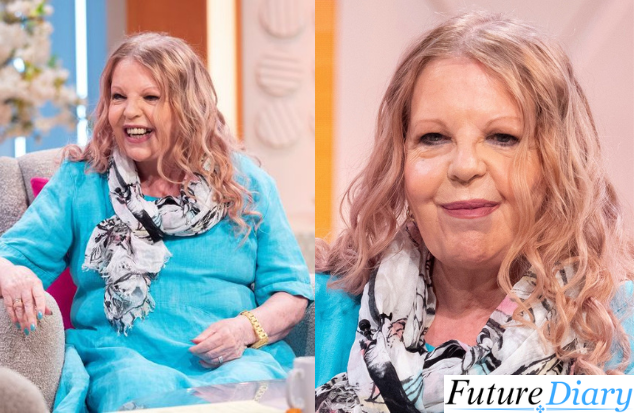
Sally Thomsett face illness has become a surprisingly persistent search topic over the past few years. For fans who remember her as the bright, expressive child star from classic British television and film, curiosity is natural. Time changes everyone, and when a familiar public figure appears less often or looks different, questions tend to follow. Still, when those questions turn into assumptions about health, especially facial illness, it is worth slowing down and separating fact from speculation.
Sally Thomsett has lived much of her adult life away from the spotlight. That choice alone explains a great deal of the mystery surrounding her appearance today. Unlike celebrities who remain constantly visible, she did not shape her public image around aging in front of an audience. As a result, even small changes can feel dramatic to viewers who last saw her decades ago. The idea of a face illness often arises from this gap rather than from confirmed medical information.
This article takes a clear, respectful look at the topic. It explores where the rumors came from, what has actually been confirmed, how facial changes are often misinterpreted, and why privacy matters when discussing health. By the end, you will have a grounded understanding of why the phrase sally thomsett face illness exists and why caution is essential when using it.
Who Sally Thomsett Is and Why Her Appearance Still Draws Attention
Sally Thomsett became a household name at a young age, most notably through her role as Phyllis in The Railway Children. Her expressive face and natural charm made her instantly recognizable. For many viewers, her image is frozen in time as that cheerful, wide-eyed child from a beloved story.
As she grew older, Thomsett chose a quieter life. She stepped back from acting and rarely appeared in interviews or public events. This long absence created a sharp contrast between how audiences remember her and how she might look today. When occasional photos or brief mentions surface, people compare them to a memory that is several decades old. That comparison alone can fuel speculation about illness, especially when facial features appear different.
It is important to remember that aging itself changes the face in complex ways. Skin texture, muscle tone, and facial volume all shift naturally. Without regular public appearances to show gradual change, those differences can feel sudden and unexplained, leading some to jump to conclusions about a face illness.
How the Rumors About Sally Thomsett Face Illness Began
The discussion around sally thomsett face illness did not start with a medical announcement or a confirmed report. It grew quietly through online forums, comment sections, and search trends. In many cases, a single photo or vague statement sparked a chain reaction of guesses.
People often forget how unreliable isolated images can be. Lighting, camera angles, facial expressions, and even health on a particular day can dramatically alter how someone looks. When viewers see only one or two images after decades, they may interpret normal signs of aging or stress as evidence of illness.
Another factor is the internet’s tendency to fill silence with speculation. Because Thomsett has not spoken publicly about her health in detail, some assume there must be something to hide. In reality, choosing privacy is not an admission of illness. It is simply a personal boundary, especially for someone who experienced fame very young.
Facial Changes, Aging, and Common Misinterpretations
One reason the idea of a face illness spreads so easily is that many people are unfamiliar with how faces change over time. Aging does not happen evenly. Some individuals lose facial fullness, others develop asymmetry, and many experience changes in muscle tone that can affect expressions.
Medical conditions that affect the face do exist, and it is understandable that people think of them when they notice differences. However, assuming a diagnosis without evidence is unfair and inaccurate. In the case of sally thomsett face illness, there has been no confirmed statement indicating that she suffers from a condition affecting her face.
Stress, weight changes, dental work, and even posture can subtly alter facial appearance. These factors are rarely visible in childhood photos, which are often used as the baseline for comparison. When people expect someone to look exactly the same decades later, disappointment or confusion can turn into rumors.
Public Silence and the Right to Privacy
One of the most overlooked aspects of the sally thomsett face illness conversation is her right to privacy. Not every public figure feels obligated to share personal health details, especially if they are no longer actively working in entertainment.
Health is deeply personal. Even when someone does have a medical condition, they may choose not to discuss it publicly. That decision should be respected. In Thomsett’s case, the absence of information does not confirm the presence of illness. It simply reflects her choice to live quietly.
There is also a broader ethical issue at play. Speculating about someone’s health based on appearance alone reinforces harmful habits. It encourages people to scrutinize faces for flaws rather than appreciating individuals for their lives and contributions. This pattern affects not just celebrities but everyday people as well.
Media Responsibility and Online Speculation
Media coverage plays a significant role in shaping public perception. When headlines hint at illness without evidence, they amplify uncertainty and fear. In some cases, articles are written to capture search traffic rather than to inform responsibly.
The phrase sally thomsett face illness performs well in search engines precisely because it taps into curiosity. That does not mean it reflects reality. Responsible writing should clarify what is known and what is not, rather than implying diagnoses.
Online speculation often snowballs. One person wonders aloud, another repeats it as a possibility, and soon it is treated as a fact. Breaking this cycle requires careful language and a commitment to accuracy. Readers also play a role by questioning sources and avoiding assumptions.
What Has Sally Thomsett Actually Said About Her Health
As of now, there is no public statement from Sally Thomsett confirming a facial illness. She has spoken occasionally about her life after acting, focusing more on personal experiences than medical details. None of those comments indicate a condition affecting her face.
This absence of confirmation is crucial. When discussing sally thomsett face illness, it should always be framed as unverified speculation rather than established fact. Without direct confirmation, any claim about her health remains just that, a claim.
It is also worth noting that many former child actors choose to distance themselves from their past fame. They may avoid interviews precisely to prevent intrusive questions. Respecting that choice is part of respecting the person behind the role.
A Simple Comparison Table: Rumors vs Verified Facts
Below is a clear comparison to help separate assumption from reality.
| Topic | Common Claims Online | Verified Information |
|---|---|---|
| Facial illness | Speculation based on appearance | No confirmed diagnosis or statement |
| Public appearances | Rare appearances seen as suspicious | Personal choice to live privately |
| Aging changes | Interpreted as illness | Natural aging and life factors |
| Health disclosures | Assumed secrecy | No obligation to share personal health |
This table highlights how easily rumors can overshadow facts when curiosity outweighs caution.
Expert Perspective on Appearance-Based Assumptions
Medical and mental health professionals often warn against drawing conclusions from appearance alone. As one dermatologist famously noted:
“Faces tell stories about life, not diagnoses. Without medical evaluation, appearance alone means very little.”
This perspective is especially relevant to discussions about sally thomsett face illness. Even trained professionals avoid making judgments without direct examination. Online observers should be even more careful.
Another expert in psychology once said:
“Our discomfort with change often pushes us to label it as a problem, even when it is simply difference.”
These insights remind us that our reactions say as much about us as they do about the person we are observing.
Why This Topic Resonates With Fans
Fans who search for sally thomsett face illness are not usually acting out of malice. Many feel a genuine connection to her work and want to know how she is doing. Nostalgia plays a strong role here. When someone shaped part of our childhood, we feel invested in their wellbeing.
However, concern can cross into intrusion if it leads to unfounded conclusions. The healthiest approach is to wish someone well without assuming they are unwell. Appreciation does not require access to personal medical details.
This conversation also reflects a broader cultural struggle with aging. Society often treats visible change as something to explain or fix. Accepting that faces evolve naturally is a step toward a more compassionate view of public figures and ourselves.
How to Approach Celebrity Health Topics Responsibly
When encountering topics like sally thomsett face illness, readers can take a few simple steps to stay grounded. First, look for direct quotes or confirmed statements. Second, consider alternative explanations that do not involve illness. Third, respect the individual’s choice not to disclose personal information.
Writers and content creators also have a responsibility. Framing speculation clearly, avoiding sensational language, and prioritizing empathy over clicks can make a real difference. Health should never be treated as entertainment.
By shifting the focus from rumors to understanding, we create a healthier online environment for everyone involved.
Conclusion
The ongoing interest in sally thomsett face illness says more about public curiosity than about confirmed reality. There is no verified information suggesting that Sally Thomsett suffers from a facial illness. Most of the discussion stems from natural aging, limited public appearances, and the internet’s tendency to speculate in the absence of facts.
Sally Thomsett’s legacy remains intact regardless of how she looks today. Her work continues to resonate with audiences who value her contribution to film and television. Respecting her privacy and avoiding unfounded assumptions is the most meaningful way to honor that legacy.
Health is personal, aging is inevitable, and silence does not equal secrecy. Keeping these truths in mind helps ensure that conversations remain respectful and grounded.
FAQ
What is meant by the term sally thomsett face illness?
The term sally thomsett face illness is commonly used online to describe speculation about changes in her facial appearance. It does not refer to any confirmed medical condition and should be understood as unverified rumor rather than fact.
Has Sally Thomsett confirmed having a facial illness?
No, Sally Thomsett has not publicly confirmed having any facial illness. There are no official statements or medical disclosures supporting claims related to sally thomsett face illness.
Why do people assume facial changes indicate illness?
Many people associate noticeable facial changes with health issues because they are unfamiliar with how aging, stress, and lifestyle naturally affect appearance. In the case of sally thomsett face illness, this assumption lacks evidence.
Are there reliable sources discussing Sally Thomsett’s health?
Reliable sources focus on her career and life choices rather than her health. Articles that suggest sally thomsett face illness without confirmation should be approached with caution.
How should fans talk about Sally Thomsett respectfully?
Fans can express appreciation for her work and wish her well without speculating about her health. Avoiding assumptions about sally thomsett face illness is a respectful way to honor her privacy and contributions.
