


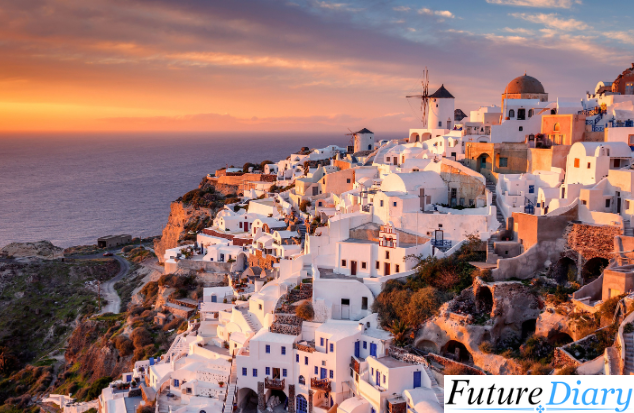
For decades, Santorini and Mykonos have been shorthand for dream vacations. Whitewashed villages, blue domes, luxury resorts, nightlife, sunsets, and social media fame turned these islands into global tourism icons. Yet over the past few seasons, conversations around the Santorini Mykonos Tourism Drop have grown louder. Hotel owners, travel analysts, and even repeat visitors are noticing changes that were almost unthinkable a few years ago.
This shift does not mean the islands have lost their charm. Instead, it reflects deeper changes in global travel behavior, economic pressures, sustainability concerns, and traveler priorities. Understanding the Santorini Mykonos Tourism Drop requires looking beyond surface-level numbers and exploring why demand is shifting, who is still visiting, and what the future may look like for these destinations.
Understanding the Santorini Mykonos Tourism Drop
The Santorini Mykonos Tourism Drop refers to a noticeable slowdown in visitor growth and, in some periods, an actual decline in arrivals compared to peak years. This trend has surprised many, especially after the post-pandemic travel rebound when Europe saw record-breaking tourism across several countries.
In Santorini, cruise ship arrivals remain high, but overnight stays have softened. Mykonos, known for luxury travel and nightlife, has seen fluctuations in high-spending tourists, particularly from traditional European markets. While both islands still attract millions, the pace has changed, and that shift matters for local economies heavily dependent on tourism.
Key Economic Factors Driving the Decline
One of the strongest contributors to the Santorini Mykonos Tourism Drop is cost. Prices for accommodation, dining, transportation, and experiences have risen sharply. Luxury villas and boutique hotels now often exceed the budgets of middle-income travelers who once formed a large portion of visitors.
Inflation and economic uncertainty in Europe and North America have also reduced discretionary travel spending. Travelers are still eager to explore, but many are choosing destinations that offer better value for money. As one travel consultant put it:
“Santorini and Mykonos are still dream destinations, but dreams have budgets. Many travelers are now asking what else they can see for the same price.”
Overtourism Fatigue and Changing Traveler Mindsets
Overtourism has long been a concern in both islands, and it is directly linked to the Santorini Mykonos Tourism Drop. Crowded streets, packed viewpoints, long waits at restaurants, and cruise ship congestion have diminished the sense of escape that many travelers seek.
Modern tourists increasingly value authenticity, space, and slower experiences. Instead of iconic photo spots, they want meaningful connections with local culture. Santorini and Mykonos, heavily shaped by mass tourism, are now competing with lesser-known Greek islands that promise tranquility and originality.
Environmental and Sustainability Concerns
Environmental stress has also influenced perceptions around the Santorini Mykonos Tourism Drop. Water shortages, waste management challenges, and strain on infrastructure have become visible issues. Visitors are more environmentally conscious than ever and are paying attention to how destinations manage sustainability.
Local authorities have introduced measures like cruise ship limits and tourism taxes to protect fragile ecosystems. While these steps are necessary, they have also reduced overall visitor numbers, at least in the short term. In the long run, however, sustainability may help restore balance and protect the islands’ appeal.
Airline Capacity and Travel Logistics
Flight availability and pricing play a subtle but important role in the Santorini Mykonos Tourism Drop. Seasonal routes, limited airport capacity, and high demand during peak months often result in expensive airfares. Travelers comparing options may opt for destinations with easier access and more competitive flight prices.
Additionally, travel disruptions and airline strikes across Europe have made some tourists more cautious. Direct flights to alternative Mediterranean destinations are increasing, giving travelers more choices than ever before.
Social Media Saturation and Destination Fatigue
Social media once fueled explosive growth for Santorini and Mykonos. Endless images of sunsets, infinity pools, and beach clubs made them bucket-list staples. Ironically, that same exposure has contributed to the Santorini Mykonos Tourism Drop.
When a destination feels overly familiar online, it can lose its sense of discovery. Travelers now chase uniqueness and novelty, favoring places that feel undiscovered rather than heavily photographed. This shift does not erase interest in Santorini or Mykonos, but it does soften demand.
Comparison With Other Greek Islands
While Santorini and Mykonos adjust to slower growth, other Greek islands are thriving. Places like Paros, Naxos, Milos, and Crete have seen increased interest due to lower costs, diverse landscapes, and less congestion.
Here is a simple comparison highlighting current trends:
| Destination | Average Cost Level | Crowd Density | Growth Trend |
|---|---|---|---|
| Santorini | Very High | Very High | Declining |
| Mykonos | Very High | High | Fluctuating |
| Paros | Medium | Medium | Growing |
| Naxos | Medium | Low to Medium | Growing |
| Milos | Medium | Low | Growing |
This shift helps explain the Santorini Mykonos Tourism Drop within the broader Greek tourism landscape.
Impact on Local Businesses and Workers
The Santorini Mykonos Tourism Drop affects more than statistics. Local businesses, seasonal workers, and families feel the changes directly. Some restaurants and shops report shorter peak seasons and more cautious spending from visitors.
At the same time, reduced pressure has improved quality of life for residents. Traffic congestion, housing shortages, and overcrowding have slightly eased. Many locals see this period as a chance to rethink tourism models rather than simply chasing higher numbers.
Government and Industry Responses
Greek tourism authorities are actively responding to the Santorini Mykonos Tourism Drop. Marketing campaigns now emphasize quality over quantity, encouraging longer stays and off-season travel. Investments in infrastructure aim to improve sustainability and visitor experience.
Industry leaders are also diversifying offerings. Cultural events, wine tourism, wellness retreats, and culinary experiences are being promoted to attract travelers beyond the typical summer crowd.
What the Tourism Drop Means for Travelers
For travelers, the Santorini Mykonos Tourism Drop presents opportunities. Fewer crowds during shoulder seasons mean more enjoyable experiences. Hotels may offer better deals outside peak months, and reservations are easier to secure.
Visitors willing to explore beyond Instagram hotspots can still find magic on both islands. Quieter villages, local tavernas, and lesser-known beaches offer a more balanced and authentic experience.
Long-Term Outlook for Santorini and Mykonos
The Santorini Mykonos Tourism Drop does not signal decline in relevance. Instead, it marks a transition. These islands remain powerful global brands, but their future depends on sustainable management and evolving traveler expectations.
Experts believe that with thoughtful planning, Santorini and Mykonos can stabilize tourism levels while preserving what makes them special. As one Greek tourism analyst noted:
“A small drop today may protect the islands for decades to come.”
Conclusion
The Santorini Mykonos Tourism Drop is a complex, multi-layered trend shaped by economics, sustainability, traveler behavior, and global shifts in tourism. While visitor numbers may not match historic peaks, the change offers a chance to reset priorities.
For travelers, it means more mindful experiences and potentially better value. For locals and policymakers, it is an opportunity to build a tourism model that balances prosperity with preservation. Santorini and Mykonos are not fading. They are evolving, and that evolution may ultimately strengthen their place in the world of travel.
Frequently Asked Questions
Why is the Santorini Mykonos Tourism Drop happening now?
The Santorini Mykonos Tourism Drop is driven by high costs, overtourism fatigue, environmental concerns, and changing traveler preferences toward less crowded and more affordable destinations.
Are Santorini and Mykonos still worth visiting despite the tourism drop?
Yes, the Santorini Mykonos Tourism Drop can actually improve the experience. Fewer crowds and more availability allow visitors to enjoy the islands in a calmer and more authentic way.
Does the tourism drop affect hotel prices?
In some seasons, the Santorini Mykonos Tourism Drop has led to more competitive pricing, especially outside peak summer months. Luxury options remain expensive, but value deals are more common.
How does the tourism drop impact local residents?
The Santorini Mykonos Tourism Drop reduces pressure on infrastructure and housing, improving daily life for locals, though some businesses experience shorter high-income periods.
Will tourism numbers recover in the future?
Most experts believe the Santorini Mykonos Tourism Drop represents a correction rather than a collapse. With sustainable planning, tourism is expected to stabilize at healthier levels over time.
