


If you have ever paused while writing and wondered whether lake texoma should be capitalized, you are not alone. This question comes up constantly in blogs, school assignments, travel guides, and even professional publications. It seems simple at first, but the confusion sticks around because capitalization rules mix grammar, geography, and style guidelines in ways that are not always obvious.
The short answer is yes, lake texoma should be capitalized when you are referring to the proper name of the place. But that explanation alone does not help much unless you understand why the rule exists and when exceptions apply. This article breaks it all down in plain English, with examples you can actually use. By the end, you will know exactly when capitalization is required and how to stay consistent in any type of writing.
What Lake Texoma Is and Why Its Name Matters
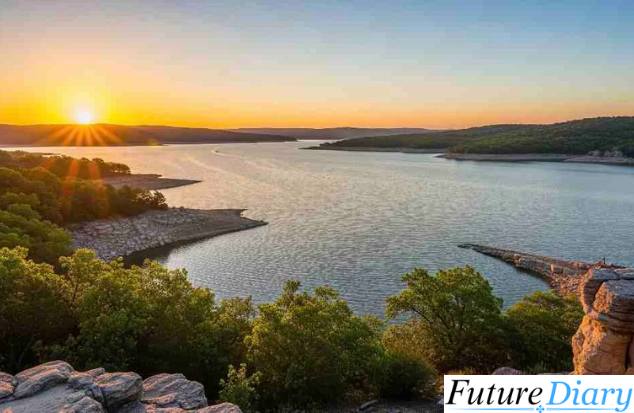
Lake Texoma is a large reservoir located on the border of Texas and Oklahoma. It is not a generic lake but a specific, named geographic feature. That detail alone explains much of the capitalization rule. Proper nouns, especially official place names, are capitalized in standard English.
When people ask whether lake texoma should be capitalized, they are usually reacting to the word “lake” at the beginning of the name. English capitalization rules can feel inconsistent because sometimes “lake” is lowercase and sometimes it is uppercase. The key difference is whether the word is part of an official name or just a general descriptor.
Think of it this way. You would capitalize “New York City” but not “the city was crowded.” In the same way, Lake Texoma is a specific destination, not just any lake. That is why capitalization is expected in formal, professional, and even casual writing.
The Grammar Rule Behind Capitalizing Place Names
To really understand why lake texoma should be capitalized, you need to look at the grammar rule for proper nouns. Proper nouns name a specific person, place, or thing. They are always capitalized in English, no matter where they appear in a sentence.
“Lake Texoma” is a proper noun because it refers to one specific lake with a recognized name. Both words are part of the official name, so both are capitalized. Lowercasing either word turns the name into something generic, which changes its meaning and can make your writing look careless.
Writers sometimes lowercase “lake” because they treat it as a category rather than a name. This is where mistakes happen. If you are talking about “a lake near my house,” lowercase is correct. If you are talking about Lake Texoma, capitalization is required. This distinction is small but important, especially in educational or published content.
Common Writing Situations Where Capitalization Goes Wrong
The debate over whether lake texoma should be capitalized often shows up in informal writing like blogs, social media posts, or travel notes. Writers may think capitalization is optional or stylistic. In reality, consistency matters, and incorrect capitalization can hurt clarity and credibility.
One common mistake appears in mid-sentence usage. Writers may capitalize Lake Texoma at the start of a sentence but switch to lowercase later. Another issue happens in headings and subheadings, where some people lowercase everything for style. While stylistic choices exist, proper nouns should still follow standard capitalization rules unless a specific style guide says otherwise.
Search engines and editors both notice these inconsistencies. Even if readers understand what you mean, incorrect capitalization can make content feel rushed or unpolished. This is one reason why learning whether lake texoma should be capitalized is more practical than it seems.
Capitalization in Academic, Professional, and SEO Writing
In academic and professional contexts, the answer to whether lake texoma should be capitalized is never optional. Schools, universities, and publishers expect correct capitalization of proper nouns. Using lowercase in these settings is usually marked as an error.
From an SEO perspective, capitalization also plays a role in perceived quality. While search engines themselves are case-insensitive, users are not. Content that respects grammar rules tends to perform better because it signals trustworthiness. When readers see consistent capitalization, they are more likely to stay engaged and share the content.
This is especially important in travel, geography, and local information articles. Capitalizing Lake Texoma correctly helps establish authority and shows that the writer understands the subject. Over time, these small details add up to stronger rankings and better reader trust.
When “lake” Might Be Lowercase
Understanding when lake texoma should be capitalized also means knowing when it might not be. The word “lake” becomes lowercase when it is used generically and not as part of a proper name.
For example, if you write, “the lake was crowded during the summer,” you are not naming a specific place. In that case, lowercase is correct. However, if you follow that sentence with “Lake Texoma attracts thousands of visitors,” capitalization returns because you are now naming the lake.
Context is everything. The moment “lake” becomes part of the official name, it earns a capital letter. Keeping this rule in mind helps prevent confusion and keeps your writing clean and professional.
Style Guides and Editorial Standards
Different style guides reinforce the same core rule, even if their wording differs slightly. Whether you follow AP style, Chicago style, or MLA, they all agree on one thing: proper names of geographic features are capitalized.
That means lake texoma should be capitalized under every major English style guide. There is no widely accepted guide that recommends lowercasing it when used as a proper noun. Any lowercase usage you see online is usually a mistake or a stylistic shortcut, not a rule.
Editors often correct this automatically during proofreading. If you want to avoid revisions or corrections, using the correct capitalization from the start is the smartest approach.
Why Consistency Matters More Than You Think
One reason people keep asking whether lake texoma should be capitalized is inconsistency across the internet. You might see the name written correctly on one website and incorrectly on another. This creates doubt, especially for newer writers.
Consistency matters because it affects readability and trust. When a reader sees the same name written in different ways within the same article, it breaks the flow. It also raises questions about the writer’s attention to detail.
Choosing the correct capitalization and sticking to it throughout your content makes your writing feel intentional. It also helps readers focus on the message instead of the mechanics.
Capitalization Examples for Clarity
Here is a simple table that shows correct and incorrect usage. Seeing it visually often clears up confusion quickly.
| Usage Example | Correct or Incorrect | Explanation |
|---|---|---|
| Lake Texoma is popular in summer | Correct | Proper noun with official name |
| lake texoma is popular in summer | Incorrect | Proper name not capitalized |
| We visited a lake last weekend | Correct | Generic noun, not a name |
| The lake Texoma area is busy | Incorrect | Partial capitalization causes inconsistency |
These examples show why the question of whether lake texoma should be capitalized matters in everyday writing. Small changes can make a big difference in clarity.
What Experts and Editors Say
Writers and editors often stress that capitalization is not about being strict for no reason. It is about clarity and respect for language.
One editor puts it this way:
“Capitalizing place names like Lake Texoma shows that you recognize them as unique locations, not just general features.”
Another writing instructor explains:
“When students ask whether lake texoma should be capitalized, I remind them that proper nouns are names. If it has a name, it gets a capital letter.”
These quotes reflect a broad agreement across writing professionals. The rule is not controversial among experts, even if it feels confusing to learners.
How Capitalization Affects Readers and Search Results
Even though search engines do not penalize lowercase proper nouns directly, readers notice. Articles that ignore basic grammar rules often feel less trustworthy. That is one reason why lake texoma should be capitalized in SEO-focused content.
Clear capitalization helps readers quickly identify places and topics. It also improves scannability, especially in long-form articles. When readers can instantly recognize proper names, they are more likely to stay engaged.
Over time, this engagement can improve performance metrics like time on page and return visits. These signals indirectly support better visibility and authority.
Conclusion: The Rule Is Simple, Even If It Feels Tricky
So, should you capitalize it? Yes, lake texoma should be capitalized whenever you are referring to the specific lake by its proper name. The rule is grounded in basic grammar, reinforced by style guides, and supported by professional editors.
Once you understand that “Lake Texoma” is a proper noun, the confusion disappears. Use lowercase only when “lake” is generic and not part of the official name. Staying consistent with this rule improves clarity, credibility, and overall writing quality.
If you ever feel unsure, ask yourself a simple question. Are you naming the place, or just describing a type of place? The answer will guide your capitalization every time.
FAQ
Should lake texoma should be capitalized in all types of writing?
Yes, lake texoma should be capitalized in all types of writing when you are referring to the proper name of the location. This applies to academic, professional, and casual writing alike.
Is it acceptable to lowercase lake texoma in informal content?
Even in informal content, lake texoma should be capitalized if you are naming the place. Lowercase usage is technically incorrect, though it sometimes appears online.
Does capitalization affect SEO for lake texoma should be capitalized queries?
Capitalization itself does not change rankings directly, but correct usage improves readability and trust. That is why lake texoma should be capitalized in SEO-focused articles.
What if “lake” is not part of the official name in a sentence?
If “lake” is used generically, lowercase is fine. However, once you name the place, lake texoma should be capitalized as a proper noun.
Why do people keep asking whether lake texoma should be capitalized?
The confusion comes from inconsistent usage online. Seeing both forms makes writers question the rule, even though lake texoma should be capitalized under standard grammar guidelines.
