


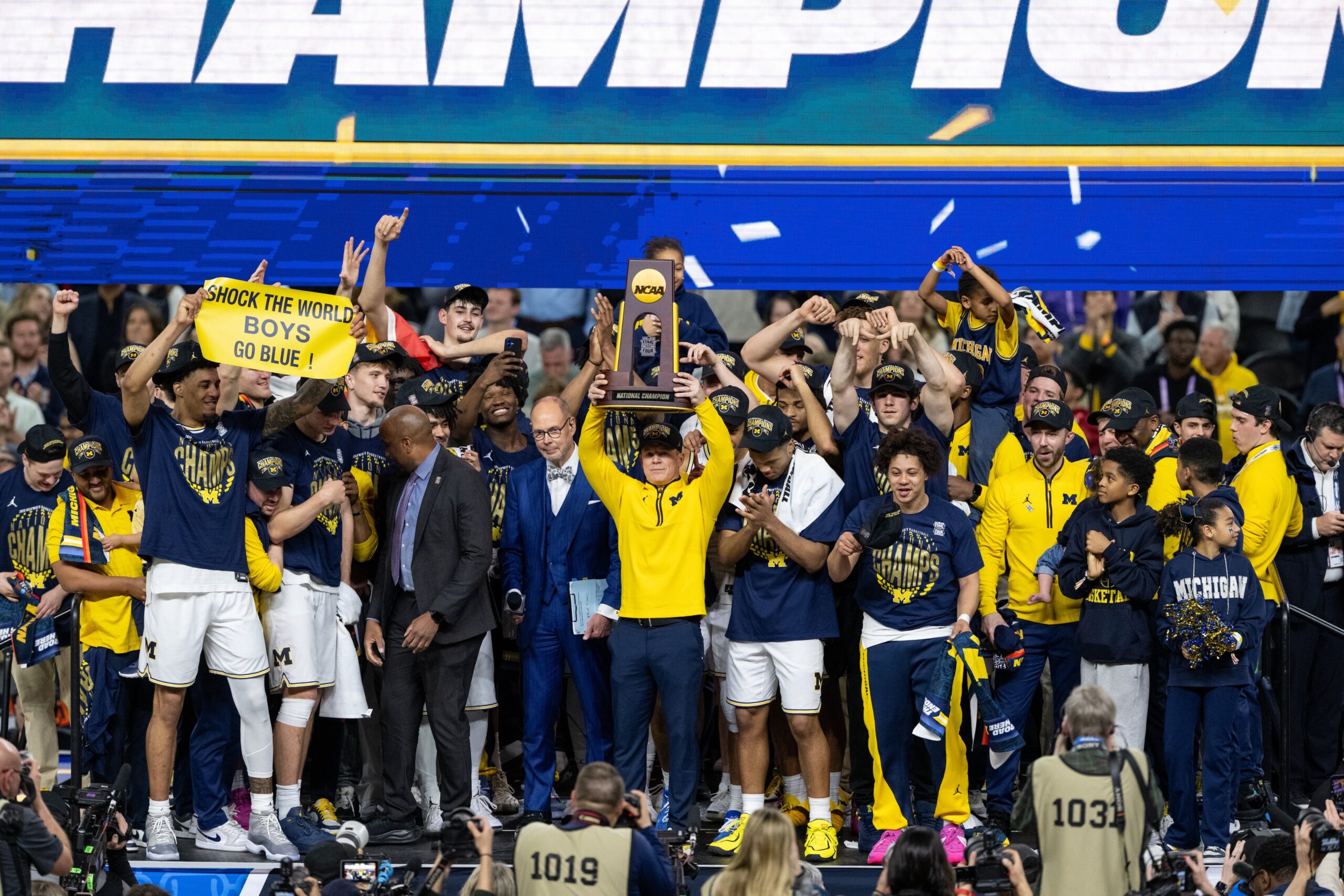
The 2025–26 collegiate sports season will forever be remembered as a defining chapter in University of Michigan history. After years of steady progress, the Wolverines reclaimed their position as a powerhouse in college basketball. This remarkable run culminated in a National Championship victory that showcased resilience, strategy, and elite execution. More than just a title, it symbolized a complete transformation of the program.
Michigan’s success was not limited to a single moment or performance but was built on a culture of excellence. From high-pressure games to season-defining stretches, the team consistently demonstrated a “closing mindset.” This mentality allowed them to thrive under pressure and outperform top-tier competition. In doing so, they established themselves as the standard for modern collegiate success.
Building the Foundation: A Multi-Year Rebuild
The journey to the 2026 championship began years before the final buzzer sounded. Michigan’s leadership focused on developing a disciplined, team-first culture that emphasized fundamentals over individual stardom. This approach set the tone for a roster that valued cohesion and accountability. Over time, the program evolved into one of the most balanced teams in the nation.
A key component of this rebuild was the integration of modern strategies, such as NIL opportunities and revenue sharing, which began shifting discussions among analysts and even influencing early March Madness odds. These innovations allowed Michigan to retain top talent while attracting experienced players through the transfer portal. The blend of veteran leadership and fresh additions created a roster built for endurance and adaptability. As a result, the Wolverines entered the season prepared for the challenges ahead.
The Lucas Oil Lockdown: Defeating UConn
The defining moment of Michigan’s championship run came on April 6, 2026, at Lucas Oil Stadium. Facing a dominant UConn Huskies team, the Wolverines delivered a defensive masterclass. Their 69–63 victory was fueled by relentless pressure and a commitment to shutting down UConn’s offensive rhythm. This performance highlighted Michigan’s identity as a defense-first team.
Rather than relying on high-scoring plays, Michigan controlled the pace of the game. They limited second-chance opportunities and dominated the glass, effectively neutralizing UConn’s strengths. The Wolverines’ ability to dictate tempo kept the Huskies from finding any consistent momentum. This strategic execution proved decisive in securing the championship.
Clutch Performances and Veteran Leadership
Michigan’s victory was defined by key contributions from standout players in crucial moments. Elliot Cadeau and Roddy Gayle Jr. played pivotal roles with their defensive intensity and perimeter pressure. Their efforts forced turnovers and disrupted UConn’s flow at critical points in the game. These plays shifted momentum firmly in Michigan’s favor.
In the closing minutes, Michigan’s veteran leadership took control of the game. Instead of rushing, the team slowed the pace and executed efficient offensive sets. They maximized each possession, using the full shot clock to maintain composure. This disciplined approach ensured that UConn could not mount a successful comeback.
Strategic Investment and Transfer Portal Success
Michigan’s championship was also a product of forward-thinking decisions off the court. The athletic department embraced a new financial model, prioritizing investment in its student-athletes. By allocating significant resources to NIL opportunities, the program created an environment where players felt valued. This commitment played a crucial role in retaining top-tier talent.
The transfer portal also became a cornerstone of Michigan’s success. The coaching staff identified key players who could seamlessly integrate into the team’s system. Unlike many programs, Michigan avoided chemistry issues by emphasizing culture and shared goals. This strategic approach resulted in a deep, versatile roster capable of competing at the highest level.
A Legacy Restored: First Title Since 1989
When the final buzzer sounded, it marked Michigan’s first national championship since 1989. The 37-win season tied a Big Ten record and ended a decades-long title drought. However, the significance of this achievement extended far beyond the numbers. It represented the culmination of years of dedication and strategic planning.
The celebration in Ann Arbor symbolized a renewed era of excellence for the Wolverines. Fans and players alike recognized that this victory was about more than one season. It was proof that Michigan could adapt to the evolving landscape of college sports. With a strong foundation in place, the Wolverines are poised to remain a dominant force for years to come.
The Blueprint for Modern Collegiate Success
Michigan’s 2026 championship run offers valuable lessons for other programs. By combining traditional values with modern strategies, the Wolverines created a sustainable model for success. Their emphasis on defense, teamwork, and discipline set them apart in a competitive landscape. This balance between innovation and tradition became their defining strength.
As college athletics continue to evolve, Michigan stands as a model of adaptability and resilience. The program demonstrated that success is built on more than talent alone. It requires vision, investment, and a commitment to culture. With these elements in place, the Wolverines have firmly reestablished themselves at the top of collegiate sports.
