


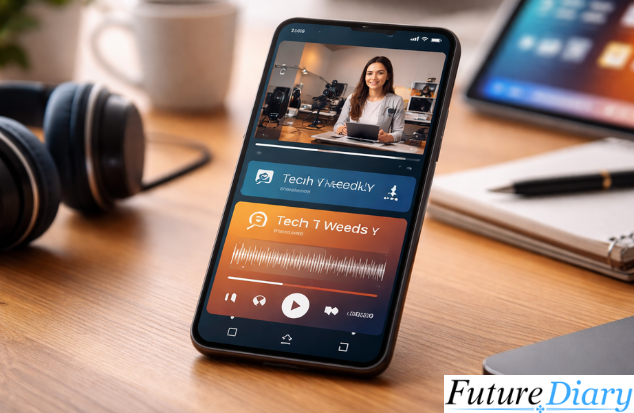
The digital world has shifted dramatically in the past decade. People now consume content across multiple formats, devices, and platforms without even thinking about it. In this environment, the rise of the application mobile dualmedia model represents a smart evolution in mobile technology. Instead of focusing on a single content type, this concept blends two media experiences into one seamless mobile application.
An application mobile dualmedia is designed to combine different types of digital content, such as video and audio, or streaming and interactive features, within one app. This integrated approach improves user engagement, increases retention, and creates new revenue opportunities for businesses. If you are a developer, marketer, or entrepreneur, understanding how this model works can give you a serious advantage in a competitive market.
What Is an Application Mobile DualMedia?
An application mobile dualmedia is a mobile platform that merges two distinct forms of media into a single user experience. Rather than separating content into standalone apps, it integrates them. For example, an app may combine live streaming with podcast functionality, or video content with social interaction tools. The goal is to deliver more value without forcing users to switch between platforms.
This model is becoming increasingly relevant because modern users expect flexibility. They want to watch, listen, interact, and share within one ecosystem. By offering multiple media formats inside one mobile environment, an application mobile dualmedia creates a more immersive and convenient experience.
From a technical perspective, developers design these apps with scalable architecture. That allows them to support heavy content loads, streaming protocols, and interactive features simultaneously. This technical integration is what separates basic media apps from a true dualmedia platform.
Why Businesses Are Investing in Application Mobile DualMedia
Companies are constantly looking for ways to increase user engagement. One major reason businesses are turning toward the application mobile dualmedia approach is retention. When users can consume different content formats within the same app, they spend more time on the platform.
Longer engagement typically translates into better monetization. Whether through advertisements, subscriptions, or in-app purchases, businesses can leverage multiple revenue streams within one application. This makes the investment in a dualmedia strategy financially attractive.
Another reason is branding. A unified app strengthens brand identity. Instead of splitting audiences between multiple products, companies can centralize their community. This consolidated presence builds stronger loyalty and simplifies marketing campaigns.
Core Features of a Strong Application Mobile DualMedia
A successful application mobile dualmedia is not just about mixing two media types. It requires thoughtful design and strategic feature integration. Here are some common elements found in effective dualmedia apps:
| Feature | Purpose | Benefit to Users |
|---|---|---|
| Multi-format Streaming | Supports video and audio | Flexible content consumption |
| Interactive Tools | Comments, live chat, polls | Increased engagement |
| Offline Access | Download options | Convenience and accessibility |
| Smart Recommendations | AI-driven suggestions | Personalized experience |
| Social Sharing | Built-in sharing options | Community growth |
These features work together to create a cohesive experience. Without proper integration, the app risks feeling cluttered. The key is to ensure each media component complements the other rather than competing for attention.
User interface design also plays a crucial role. A clean layout with intuitive navigation ensures that switching between media types feels natural. Performance optimization is equally important, especially for streaming-heavy platforms.
Benefits for Users
From a user perspective, an application mobile dualmedia simplifies digital life. Instead of downloading separate apps for podcasts, videos, and live sessions, users can access everything in one place. This saves storage space and reduces the need to manage multiple accounts.
Convenience is only part of the appeal. Dualmedia apps also provide a richer content journey. A user might start by watching a live event and then switch to related audio discussions. This layered approach deepens understanding and enhances entertainment value.
Accessibility is another advantage. Many dualmedia platforms allow users to choose how they consume content. If someone cannot watch a video, they can switch to an audio format. This flexibility supports diverse user needs and preferences.
Technical Architecture Behind Application Mobile DualMedia
Building an application mobile dualmedia requires strong backend infrastructure. Developers often use cloud-based servers to manage large content volumes. Scalable architecture ensures the app can handle spikes in traffic, especially during live events.
Content delivery networks are essential for maintaining smooth streaming quality. Latency issues can frustrate users quickly, so performance optimization becomes a top priority. Efficient data compression techniques also help maintain speed without sacrificing quality.
Security is another major concern. Since these apps handle user data and often include payment systems, encryption and secure authentication protocols are critical. A secure framework builds user trust and protects the platform from breaches.
SEO and Marketing Advantages
From an SEO perspective, the application mobile dualmedia model offers unique advantages. When properly optimized, such apps can dominate multiple keyword categories, including video streaming, podcast apps, and interactive platforms.
Content diversification also improves discoverability. Businesses can target different search intents through various media types. For example, written descriptions can support blog SEO, while embedded video content improves engagement metrics.
App store optimization plays a major role as well. Using relevant keywords, compelling descriptions, and engaging visuals increases visibility. Reviews and ratings further enhance credibility and attract new users.
Monetization Strategies
One of the strongest arguments for adopting an application mobile dualmedia approach is monetization flexibility. Businesses are not limited to a single revenue stream. Instead, they can combine subscription models, advertising, sponsorships, and premium content tiers.
Freemium models are especially effective. Users can access basic features for free while paying for advanced tools or exclusive content. This lowers the barrier to entry and encourages gradual conversion to paid plans.
Brands can also integrate sponsored content seamlessly into both media formats. For instance, a video stream might include sponsored segments, while audio episodes can feature promotional messages. The integration feels natural when executed thoughtfully.
Challenges and Considerations
Despite its benefits, launching an application mobile dualmedia is not without challenges. Development costs can be higher due to the complexity of integrating multiple media systems. Testing across different devices and operating systems requires additional resources.
Another challenge is maintaining performance consistency. If one media component fails or lags, it affects the overall user experience. Continuous updates and maintenance are necessary to ensure stability.
Content management is also critical. Businesses must maintain high-quality content across both media types. Without consistent value, users may lose interest despite the platform’s technical capabilities.
Future Trends in Application Mobile DualMedia
The future looks promising for the application mobile dualmedia ecosystem. Artificial intelligence is playing a growing role in personalizing content experiences. Smart algorithms can analyze user behavior and recommend the most relevant combination of media.
Augmented reality and interactive features are also gaining traction. Future dualmedia platforms may blend immersive visuals with live audio discussions, creating a deeper level of engagement.
As mobile internet speeds continue to improve globally, especially with 5G expansion, streaming quality will become even more seamless. This technological growth will further strengthen the potential of dualmedia applications.
“The power of a dualmedia application lies not in the number of features it offers, but in how seamlessly those features work together to create a unified experience.”
Practical Example of Application Mobile DualMedia Use Case
Imagine an educational platform designed as an application mobile dualmedia solution. Students can watch video lectures and immediately switch to audio summaries for revision. Live Q&A sessions allow real-time interaction, while downloadable materials support offline study.
This combination enhances learning outcomes. Instead of limiting students to one format, the app adapts to different learning styles. Such flexibility demonstrates why the dualmedia concept is more than a trend. It is a strategic response to evolving user expectations.
Conclusion
The application mobile dualmedia model represents a smart and forward-thinking approach to mobile app development. By integrating two complementary media formats within one platform, businesses can boost engagement, increase retention, and diversify revenue streams.
For users, the benefits are equally compelling. Convenience, flexibility, and enriched content experiences make dualmedia apps highly attractive in today’s fast-paced digital landscape. While development may require careful planning and investment, the long-term rewards often justify the effort.
As technology continues to advance, the demand for integrated and immersive platforms will only grow. Businesses that adopt the application mobile dualmedia approach early position themselves at the forefront of innovation.
FAQ
What is an application mobile dualmedia?
An application mobile dualmedia is a mobile app that integrates two different types of media, such as video and audio, into one unified platform. It allows users to consume content in multiple formats without switching between separate applications.
Why is application mobile dualmedia important for businesses?
The application mobile dualmedia model increases user engagement and retention by offering diverse content experiences within a single app. It also opens multiple monetization opportunities through ads, subscriptions, and premium features.
How does application mobile dualmedia improve user experience?
Application mobile dualmedia improves user experience by providing flexibility. Users can switch between media formats based on their preferences, access content offline, and interact with creators through integrated tools.
Is application mobile dualmedia expensive to develop?
Developing an application mobile dualmedia can require higher initial investment due to its technical complexity. However, its potential for higher engagement and diversified revenue often makes it a worthwhile investment.
What industries benefit most from application mobile dualmedia?
Industries such as education, entertainment, media, and marketing benefit significantly from application mobile dualmedia platforms. Any sector that relies on content delivery can leverage this model to enhance audience engagement.
