


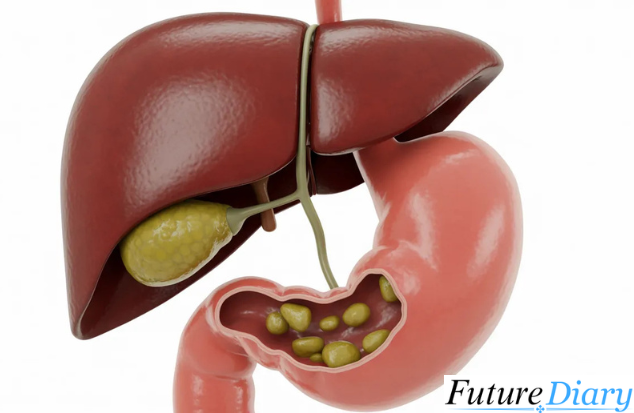
Cholerhiasis is a medical condition that often creates confusion because it is less commonly discussed than other biliary or gastrointestinal disorders. Despite its low visibility in mainstream health conversations, it can have a meaningful impact on digestion, liver health, and overall well being. Understanding cholerhiasis starts with knowing how bile works in the body and what happens when that process is disrupted.
In simple terms, cholerhiasis refers to the abnormal presence or excessive flow of bile acids within the intestines, which can lead to digestive disturbances and systemic symptoms. Bile plays a vital role in fat digestion and nutrient absorption, but when its balance is disturbed, the effects can ripple through multiple body systems. This article breaks down cholerhiasis in a clear, approachable way so readers can understand what it is, why it happens, and how it is managed.
Understanding the Meaning of Cholerhiasis
Cholerhiasis comes from medical terminology tied to bile and bile acids. It is not a condition most people hear about during routine doctor visits, yet it exists within the broader category of bile related disorders. At its core, cholerhiasis involves irregular bile acid activity that affects the intestines and sometimes the liver.
Bile acids are produced in the liver and stored in the gallbladder. When you eat, especially fatty foods, bile is released into the small intestine to help with digestion. In cholerhiasis, this process becomes excessive or unregulated. As a result, the intestines may become irritated, leading to discomfort and changes in bowel habits that can be persistent if left untreated.
How Cholerhiasis Affects the Digestive System
The digestive system relies on balance. Bile acids must be present in the right amount at the right time. With cholerhiasis, that balance is disrupted. Too much bile entering the intestines can draw excess water into the bowel, leading to loose stools and urgency.
Over time, chronic irritation from bile acids can affect the intestinal lining. People dealing with cholerhiasis often report bloating, cramping, and difficulty digesting fatty meals. These symptoms can overlap with other gastrointestinal conditions, which is why proper evaluation is important for accurate diagnosis.
Common Causes of Cholerhiasis
Several underlying factors can lead to cholerhiasis. One of the most common is gallbladder dysfunction. When the gallbladder does not store or release bile properly, bile acids may continuously leak into the intestines rather than being released in controlled amounts.
Another cause is liver related conditions that affect bile production. Surgical removal of the gallbladder can also increase the risk of cholerhiasis in some individuals. Additionally, intestinal disorders that interfere with bile acid reabsorption may contribute to this condition. Often, it is not a single cause but a combination of factors that leads to symptoms.
Signs and Symptoms to Watch For
The symptoms of cholerhiasis can vary in intensity. Some people experience mild digestive discomfort, while others deal with daily symptoms that affect quality of life. Chronic diarrhea is one of the most common complaints, often occurring shortly after meals.
Other symptoms may include abdominal pain, bloating, nausea, and fatigue. Because bile acids influence nutrient absorption, long term cholerhiasis can sometimes lead to deficiencies, particularly in fat soluble vitamins. These symptoms are not unique to this condition, which is why medical guidance is essential.
“Digestive symptoms that persist despite dietary changes should always be evaluated. Conditions like cholerhiasis are often overlooked but very treatable.”
— Gastroenterology Clinical Insight
Diagnosis and Medical Evaluation
Diagnosing cholerhiasis requires a careful review of symptoms, medical history, and targeted testing. Doctors often start by ruling out more common gastrointestinal disorders such as irritable bowel syndrome or infections. Once those are excluded, bile acid related testing may be considered.
Specialized stool tests, blood work, and imaging studies can help confirm abnormal bile acid levels or bile flow issues. In some cases, a therapeutic trial with bile acid binding medications is used. If symptoms improve, it supports the diagnosis of cholerhiasis.
Treatment Options for Cholerhiasis
Treatment for cholerhiasis focuses on restoring balance to bile acid activity and relieving symptoms. One of the most effective approaches involves bile acid sequestrants. These medications bind excess bile acids in the intestines, preventing them from causing irritation.
Dietary adjustments are also important. Reducing high fat foods can lessen bile release and improve symptoms. In certain cases, addressing the underlying cause, such as managing liver health or adjusting medications, leads to significant improvement. Treatment plans are usually tailored to each individual’s needs.
Diet and Lifestyle Adjustments
Lifestyle plays a meaningful role in managing cholerhiasis. Eating smaller, more frequent meals can help regulate bile release and reduce digestive stress. Many people find that limiting greasy or fried foods makes a noticeable difference.
Staying hydrated and maintaining a balanced diet rich in fiber can also support gut health. While diet alone may not cure cholerhiasis, it often works hand in hand with medical treatment to reduce symptom severity and improve daily comfort.
Potential Complications if Left Untreated
When cholerhiasis is not addressed, chronic symptoms can lead to complications. Persistent diarrhea may result in dehydration and electrolyte imbalances. Over time, malabsorption of fats and vitamins can weaken the immune system and affect bone health.
There is also an emotional toll. Living with ongoing digestive issues can impact mental health, work productivity, and social life. Early diagnosis and treatment reduce the risk of these long term effects and help patients regain confidence in managing their health.
Cholerhiasis Compared to Similar Conditions
Cholerhiass is often mistaken for other digestive disorders because the symptoms overlap. Conditions like bile acid malabsorption, gallbladder disease, and irritable bowel syndrome share similar features. The key difference lies in the underlying mechanism involving bile acids.
The table below highlights how cholerhiais differs from related conditions:
| Condition | Primary Cause | Key Symptoms | Main Treatment Approach |
|---|---|---|---|
| Cholerhiasis | Excess bile acids in intestines | Diarrhea, bloating, cramps | Bile acid binders, diet |
| IBS | Gut brain interaction | Pain, altered bowel habits | Diet, stress management |
| Gallstones | Hardened bile deposits | Severe pain, nausea | Surgery or monitoring |
| Bile Acid Malabsorption | Poor bile reabsorption | Chronic diarrhea | Medications, diet |
Understanding these differences helps ensure proper treatment and avoids unnecessary frustration.
Living With Cholerhiasis
Living with cholerhiais often requires patience and adjustment. Many people go through a period of trial and error before finding the right treatment combination. The good news is that most individuals respond well once the condition is identified.
Regular follow ups with a healthcare provider are important. Tracking symptoms, dietary triggers, and medication effects can help fine tune management. With the right approach, choleriasis can become a manageable part of life rather than a daily burden.
“Once patients understand what is happening in their bodies, conditions like cholerhiass become far less intimidating.”
— Digestive Health Specialist
Prevention and Risk Reduction
Not all cases of cholerhiass can be prevented, but certain steps may lower risk. Maintaining liver and gallbladder health through balanced nutrition and regular checkups is helpful. Avoiding unnecessary medications that affect bile flow may also reduce risk.
For those who have had gallbladder surgery, early recognition of symptoms is key. Prompt evaluation allows treatment to begin before symptoms worsen. Awareness is one of the strongest tools in preventing complications.
Conclusion
Cholerhiasis is a lesser known but important digestive condition rooted in bile acid imbalance. While its symptoms can be disruptive, it is highly manageable with proper diagnosis, treatment, and lifestyle adjustments. Understanding how bile functions in the body makes it easier to grasp why cholehiasis occurs and how it can be controlled.
By paying attention to persistent digestive symptoms and seeking medical advice, individuals can avoid long term complications. With the right care plan, people living with cholehiasis can enjoy improved comfort, better digestion, and a stronger sense of control over their health.
Frequently Asked Questions About Cholerhiasis
What exactly is cholerhiasis?
Cholehiasis is a condition involving excessive or abnormal bile acid activity in the intestines. This imbalance often leads to digestive symptoms such as diarrhea, bloating, and abdominal discomfort.
Is cholerhiasis a serious condition?
Cholerhiass is not usually life threatening, but it can significantly affect quality of life if untreated. Long term symptoms may cause nutrient deficiencies and dehydration, which is why medical care is important.
How is cholerhiasis different from bile acid malabsorption?
While closely related, cholerhiass focuses on the presence and effect of excess bile acids in the intestines. Bile acid malabsorption specifically refers to the failure of the intestines to reabsorb bile acids properly.
Can cholerhiasis be cured?
There is no universal cure, but cholehiasis can often be effectively managed. Medications, diet changes, and addressing underlying causes usually lead to strong symptom control.
What foods should be avoided with cholerhiasis?
People with cholerhiais often benefit from limiting high fat and greasy foods. These foods stimulate bile release and may worsen symptoms, especially during active phases of the condition.
