


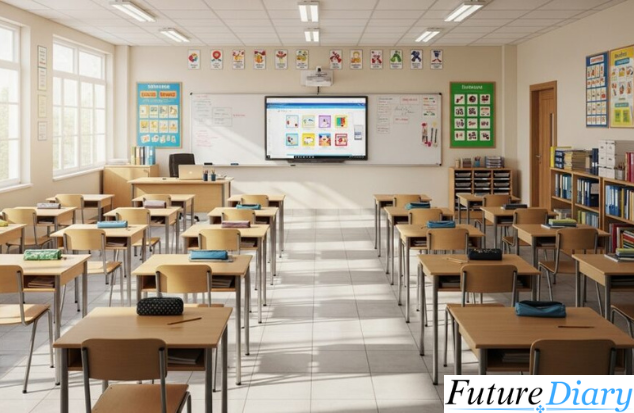
Education has changed more in the last decade than it did in the previous fifty years. Traditional chalkboards have been replaced by interactive screens, textbooks are now digital, and learning no longer stops when the bell rings. In this evolving landscape, classroom 30x is emerging as a powerful concept that blends technology, flexibility, and engagement into one seamless educational experience.
At its core, classroom 30x represents a smarter, more connected approach to teaching and learning. It is not just about devices in a room. It is about creating an environment where students can collaborate in real time, access resources instantly, and learn at their own pace without losing the guidance of a teacher. Schools, educators, and even independent learning platforms are exploring how classroom 30x can improve outcomes while keeping students motivated.
What Is Classroom 30x and Why It Matters
The idea behind classroom 30x is simple but impactful. It focuses on enhancing the traditional classroom model by integrating digital tools, cloud-based platforms, and interactive learning systems. Instead of a one-size-fits-all approach, this model adapts to different learning styles and academic needs.
In a classroom 30x setting, students might use tablets or laptops connected to a centralized system. Teachers can assign work digitally, monitor progress instantly, and provide personalized feedback. This approach makes lessons more dynamic and responsive. It also encourages students to take ownership of their learning rather than passively receiving information.
Education today demands flexibility. Students learn differently, and technology allows educators to meet those diverse needs more effectively. That is where classroom 30x stands out. It bridges the gap between traditional instruction and modern digital innovation.
Key Features of a Classroom 30x Environment
One of the defining aspects of classroom 30x is connectivity. Devices are linked through secure networks, enabling seamless communication between students and teachers. Lessons can include videos, live quizzes, collaborative documents, and interactive simulations. This level of integration creates a learning experience that feels engaging and relevant.
Another important feature is data-driven instruction. In a classroom 30x system, teachers can track student performance in real time. They can see which topics need reinforcement and which students may require extra support. This immediate insight improves teaching efficiency and helps prevent students from falling behind.
Here is a simple comparison table that highlights the difference between a traditional classroom and classroom 30x:
| Feature | Traditional Classroom | Classroom 30x |
|---|---|---|
| Learning Materials | Printed textbooks | Digital and interactive resources |
| Student Assessment | Periodic tests | Real-time analytics and feedback |
| Collaboration | Limited group work | Online and in-person collaboration tools |
| Accessibility | Fixed location | Flexible and remote access options |
| Personalization | Minimal | Adaptive and customized learning paths |
This shift is not about replacing teachers. Instead, classroom 30x empowers them with better tools to enhance instruction.
How Classroom 30x Improves Student Engagement
Student engagement is one of the biggest challenges in education. Long lectures and static materials can lead to boredom and reduced attention. Classroom 30x addresses this by making learning interactive and visually appealing.
Interactive quizzes, gamified lessons, and multimedia presentations keep students involved. When learners can participate actively rather than just listen, they retain information more effectively. A classroom 30x environment encourages students to ask questions, share ideas, and collaborate on projects without feeling limited by physical space.
Another benefit is accessibility. Students who miss a class can review recorded lessons and digital materials at their convenience. This flexibility reduces stress and ensures that learning continues beyond school hours. It also supports students who may need more time to grasp certain concepts.
As one education expert once said:
“Technology does not replace great teaching, but it amplifies it.”
That statement perfectly captures the spirit of classroom 30x. It enhances the teacher’s role instead of diminishing it.
The Role of Technology in Classroom 30x
Technology forms the backbone of classroom 30x. High-speed internet, cloud storage, learning management systems, and smart devices all work together to create a connected environment. However, technology alone is not enough. It must be used strategically.
Learning management platforms allow teachers to upload assignments, track attendance, and manage grades efficiently. Students can access materials anytime, whether they are at school or at home. This consistency builds a stronger learning routine.
Artificial intelligence tools can also support classroom 30x systems. Adaptive software analyzes student responses and adjusts difficulty levels accordingly. This personalized approach ensures that advanced learners remain challenged while others receive the extra practice they need.
Importantly, cybersecurity measures are part of the design. Safe networks and secure logins protect student data and maintain privacy. As digital education expands, security becomes a crucial element of classroom 30x implementation.
Benefits of Classroom 30x for Teachers
Teachers often juggle multiple responsibilities, from lesson planning to grading and administrative tasks. Classroom 30x helps streamline many of these processes. Automated grading systems save time, while analytics dashboards provide clear insights into student progress.
With classroom 30x, teachers can spend less time on repetitive tasks and more time engaging with students. They can identify learning gaps quickly and adjust lesson plans accordingly. This leads to more effective instruction and better academic outcomes.
Collaboration among educators also improves. Digital platforms allow teachers to share resources, co-create lesson plans, and exchange feedback. This professional collaboration strengthens teaching strategies and encourages innovation.
Moreover, classroom 30x supports hybrid and remote learning models. If circumstances require online instruction, the transition becomes smoother because the digital infrastructure is already in place.
Challenges and Considerations
While classroom 30x offers many advantages, it is not without challenges. Access to reliable internet and modern devices is essential. Schools with limited budgets may struggle to implement the full system.
Teacher training is another critical factor. Educators must feel confident using digital tools. Without proper training, even the best technology can become underutilized. Professional development programs are key to maximizing the benefits of classroom 30x.
There is also the issue of screen time. Balance is important. Clasroom 30x should combine digital and face-to-face interactions rather than replace human connection. A blended approach ensures that students develop social skills alongside technical competence.
Despite these challenges, many institutions find that the long-term benefits outweigh the initial investment. With careful planning, classroom 0x can be adapted to different educational contexts.
Classroom 30x and the Future of Education
Education is moving toward personalization, flexibility, and global connectivity. Classroom 0x aligns perfectly with these trends. It prepares students for a digital world where collaboration and technological literacy are essential skills.
In the future, we can expect classrom 30x systems to become even more advanced. Virtual reality may allow students to explore historical sites or conduct science experiments in immersive environments. Augmented reality could bring textbooks to life with interactive 3D models.
Global collaboration is another exciting possibility. Students from different countries can work together on shared projects, exchanging ideas and cultural perspectives. Classroom 0x removes geographical barriers and opens new opportunities for learning.
Most importantly, this model fosters lifelong learning. When students become comfortable using digital tools and independent study methods, they are better prepared for higher education and professional careers.
Frequently Asked Questions About Classroom 30x
What exactly is classroom 30x?
Classroom 0x is a modern educational framework that integrates digital tools, interactive platforms, and data-driven teaching methods into a connected learning environment. It enhances traditional classrooms by making lessons more engaging and personalized.
How does classroom 30x benefit students?
Clasroom 30x benefits students by providing interactive content, instant feedback, and flexible access to learning materials. It supports different learning styles and allows students to review lessons anytime, improving understanding and retention.
Is classroom 30x suitable for remote learning?
Yes, classrom 30x is highly adaptable to remote and hybrid learning models. Because it relies on digital platforms and cloud-based systems, students can participate in lessons and access resources from any location with internet access.
What technology is required for classroom 30x?
A classroom 0x setup typically requires reliable internet, digital devices such as laptops or tablets, a learning management system, and secure network infrastructure. Additional tools like interactive boards and educational software can further enhance the experience.
Can classroom 30x replace traditional teaching methods?
Classroom30x is not designed to replace traditional teaching but to enhance it. Teachers remain central to the learning process, using digital tools to deliver more effective and personalized instruction.
Conclusion
The evolution of education demands innovation, flexibility, and a focus on student engagement. Classroom 30x represents a forward-thinking approach that blends technology with effective teaching practices. By creating connected, interactive, and personalized learning environments, it addresses many of the challenges faced by modern education systems.
While implementation requires investment and training, the potential benefits are significant. Students gain access to dynamic resources and flexible learning options. Teachers receive tools that streamline their work and improve instructional quality. Schools build systems that are adaptable to future changes.
