


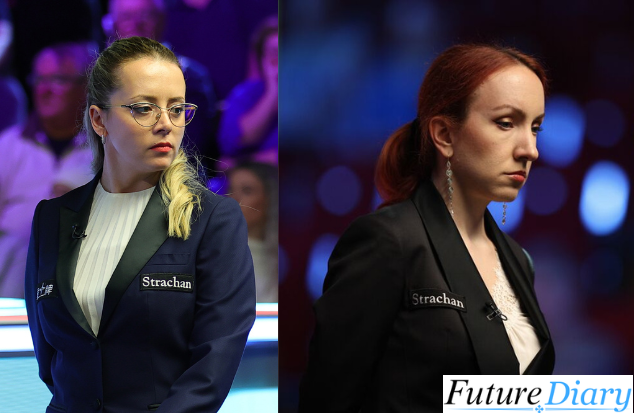
Snooker has long been seen as a traditional, male-dominated sport, with much of the spotlight focused on legendary players and iconic tournaments. Yet behind every professional match stands a figure of absolute authority, precision, and composure: the referee. In recent years, female snooker referees have stepped into that spotlight, reshaping perceptions and proving that officiating at the highest level is about expertise, not gender.
The presence of female snooker referees on global stages like the World Snooker Championship and tournaments organized by World Snooker Tour reflects a powerful shift within the sport. Their journey has not been instant or easy. It has been built on dedication, knowledge of the rules, resilience under pressure, and a commitment to professionalism that matches the very best in the game.
The Evolution of Women in Snooker Officiating and the Rise of Female Snooker Referees
Snooker’s roots stretch back to the late 19th century, and for decades, officiating roles were almost exclusively held by men. As the sport expanded globally and governing bodies embraced inclusivity, opportunities gradually opened up. The rise of female snooker referees mirrors the broader evolution of gender equality in sports.
In the early days, women were more visible as players than officials. However, as organizations such as World Professional Billiards and Snooker Association refined their training systems and certification pathways, women began stepping into refereeing roles with increasing confidence. The process required passing rigorous rule examinations, practical assessments, and tournament evaluations. The shift was not symbolic; it was merit-based and earned through expertise.
Today, female snooker referees are regularly appointed to ranking events, televised matches, and even major finals. Their presence signals that officiating standards are built on knowledge, calm authority, and consistency rather than outdated assumptions.
Pioneers Who Opened the Door
Every movement has its pioneers, and snooker officiating is no different. Among the most recognized names is Michaela Tabb, who became a trailblazer in the sport. She officiated high-profile finals and demonstrated that composure under global television pressure is not defined by gender. Her career paved the way for others to pursue officiating at the highest level.
Another prominent figure is Desislava Bozhilova, who has officiated Triple Crown events and gained widespread respect for her calm presence and precise decision-making. Likewise, Tatiana Woollaston has become a familiar face at professional tournaments, showing that consistency and rule mastery are what truly matter in competitive snooker.
These individuals did more than officiate matches. They shifted public perception. They demonstrated that female snooker referees could manage tense finals, handle disputes with authority, and maintain the integrity of the game under intense scrutiny.
“A referee’s job is to be invisible until needed, and absolute when required.” – A senior professional snooker official
The Role and Responsibilities of a Snooker Referee
Understanding the impact of female snooker referees requires understanding the complexity of the role itself. A referee is responsible for enforcing rules, managing player conduct, scoring accurately, and ensuring fair play. Every decision can influence the flow and outcome of a match.
Referees must memorize detailed rulebooks, including foul and miss interpretations, free ball situations, and frame re-spots. In tournaments under the World Snooker Tour, accuracy is critical because matches are broadcast worldwide. One incorrect call can lead to controversy, social media debate, and professional scrutiny.
Beyond technical knowledge, referees manage psychological dynamics. When two elite players compete under pressure, tension can rise. A referee must remain neutral, calm, and assertive. Female snooker referees consistently demonstrate these qualities, reinforcing that officiating excellence is rooted in preparation and composure.
Challenges Faced by Female Snooker Referees
Progress has not come without obstacles. Like many women in traditionally male sports roles, female snooker referees have faced skepticism and occasional bias. Early in their careers, some encountered assumptions about their authority or technical knowledge.
Media scrutiny has sometimes focused more on appearance than performance. However, as more women consistently delivered flawless officiating in major events, attention shifted toward professionalism and expertise. Performance replaced prejudice.
Another challenge lies in visibility. Because referees are not the primary focus of broadcasts, recognition can be limited. Yet when female snooker referees officiate finals or high-stakes matches, their presence becomes a powerful symbol of inclusivity in professional snooker.
Representation at Major Tournaments
Representation at high-profile tournaments has been a turning point. When female snooker referees began officiating finals at events like the UK Championship and the Masters Snooker, it sent a clear message that opportunities were based on merit.
The visibility of women officiating at the Crucible Theatre during the World Championship carried symbolic weight. The Crucible is considered the spiritual home of snooker, and standing at its center stage signifies elite status.
Below is a simplified overview of notable female referees and their major achievements:
| Referee | Country | Notable Tournaments Officiated | Milestone Achievement |
|---|---|---|---|
| Michaela Tabb | Scotland | World Championship Final | First woman to referee a world final |
| Desislava Bozhilova | Bulgaria | Triple Crown Events | Officiated major ranking finals |
| Tatiana Woollaston | Belarus | Ranking Tournaments | Regular televised appointments |
This growing list highlights the global nature of female snooker referees and their expanding role in top-tier competition.
Impact on the Next Generation
Visibility creates aspiration. Young women watching major tournaments now see role models in positions of authority. The idea of becoming a referee feels realistic rather than distant.
Grassroots programs and officiating workshops are increasingly inclusive. Governing bodies promote equal opportunities, encouraging women to pursue certification pathways. As more female snooker referees enter local and regional competitions, the pipeline for future elite officials strengthens.
The cultural shift is significant. Instead of questioning whether women belong in officiating, the conversation now centers on training, standards, and performance. That is a meaningful transformation in the sport’s identity.
Skills That Define Elite Female Snooker Referees
While gender discussions often dominate headlines, true success comes down to skill. Elite referees must possess deep rule knowledge, sharp eyesight, steady body language, and exceptional communication.
Snooker involves intricate scenarios such as close snookers, re-spots on the black ball, and complex foul interpretations. A referee must make split-second decisions with confidence. Female snooker referees have consistently demonstrated mastery in these high-pressure situations.
Another essential trait is neutrality. Referees work with global stars, some with strong personalities. Maintaining impartial authority ensures respect from players and fans alike. When a referee commands quiet in a packed arena, it reflects earned credibility.
Media Coverage and Public Perception
Media narratives have evolved. Early coverage sometimes framed female snooker referees as novelties. Today, commentary focuses on professionalism and performance.
Televised broadcasts rarely emphasize gender. Instead, attention is placed on accuracy, composure, and clarity of announcements. This shift indicates normalization rather than tokenism.
Public perception has matured as well. Social media conversations increasingly highlight respect for officiating quality. The dialogue is less about whether women can referee and more about how well they perform, which marks true progress.
The Global Growth of Women in Snooker Officiating
Snooker is expanding in Asia, Europe, and the Middle East. With this growth comes broader participation in officiating roles. Female snooker referees now come from diverse cultural backgrounds, reflecting the sport’s international reach.
Countries investing in referee development programs see a balanced increase in male and female officials. The expansion of ranking tournaments across continents means more opportunities for women to officiate on global stages.
As the professional circuit continues evolving, the inclusion of female snooker referees strengthens the sport’s global credibility. Diversity in officiating enhances fairness, representation, and long-term sustainability.
Why Inclusion Strengthens Professional Snooker
Inclusion is not about optics; it improves performance standards. When opportunities are open to all qualified candidates, the talent pool expands. The result is higher officiating quality across the board.
Female snooker referees contribute fresh perspectives, strong communication styles, and unwavering professionalism. Their presence demonstrates that snooker is evolving alongside modern sports culture.
By embracing diversity in officiating, professional snooker reinforces its commitment to fairness both on and off the table.
Conclusion
The rise of female snooker referees represents more than a milestone in sports equality. It reflects a deeper transformation within professional snooker. Through persistence, expertise, and visible excellence, women have established themselves as trusted authorities in one of the sport’s most demanding roles.
From pioneering figures like Michaela Tabb to the growing international roster of elite officials, female snooker referees continue to shape the future of the game. Their impact extends beyond individual matches. They inspire future generations, elevate professional standards, and prove that skill and dedication define greatness.
As snooker continues expanding worldwide, the role of female snooker referees will only grow stronger. The sport is better for it, and its future looks more inclusive, balanced, and competitive than ever before.
FAQs
What qualifications are required to become female snooker referees?
To become female snooker referees, candidates must complete official training programs offered by recognized governing bodies. This includes passing written rule examinations, practical assessments, and gaining experience at local and regional tournaments. Advancement to professional levels requires consistent performance and evaluation.
Have female snooker referees officiated major finals?
Yes, female snooker referees have officiated major finals, including events within the Triple Crown series. Their appointments to high-profile matches demonstrate trust from governing bodies and recognition of their expertise.
Do female snooker referees face different challenges than male referees?
While the core responsibilities remain the same, female snooker referees have historically faced additional scrutiny and stereotypes. Over time, consistent high-level performance has helped shift perceptions toward respect and professionalism.
How are female snooker referees selected for televised tournaments?
Selections are based on merit, experience, performance ratings, and knowledge of the rules. Female snooker referees who consistently demonstrate accuracy and composure are appointed to televised ranking events and major championships.
What impact do female snooker referees have on the sport’s future?
Female snooker referees expand representation, inspire young officials, and strengthen the credibility of professional snooker. Their presence encourages inclusivity and ensures that the sport continues evolving in a balanced and progressive direction.
