


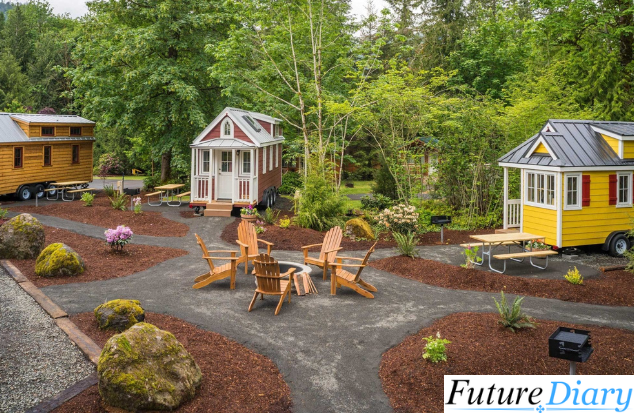
Tiny home communities have moved from niche curiosity to a serious housing conversation. What started as a minimalist lifestyle choice has grown into a practical response to rising housing costs, sustainability concerns, and the desire for stronger human connection. These communities bring together clusters of small, thoughtfully designed homes and pair them with shared values, shared spaces, and often shared responsibilities.
At their core, tiny home communities are about more than square footage. They represent a shift in how people think about ownership, consumption, and neighborhood life. Instead of isolating homeowners behind large walls and long driveways, they encourage interaction, simplicity, and intentional living. For many residents, the appeal is not just affordability, but the sense of belonging that traditional housing developments often lack.
As interest continues to rise, tiny home communities are appearing in urban, suburban, and rural settings. Some are designed for retirees, others for young professionals, artists, or families priced out of conventional housing markets. What unites them is the idea that living smaller can lead to living better.
What Defines Tiny Home Communities and How They Work
Tiny home communities are planned neighborhoods where residents live in homes typically under 400 square feet. These homes may be built on foundations or on wheels, depending on local regulations. What sets these communities apart from scattered tiny homes is the shared infrastructure. Common areas often include gardens, workshops, community kitchens, laundry facilities, and outdoor gathering spaces.
The structure of tiny home communities varies widely. Some operate as rental parks managed by a single owner, similar to RV parks but with permanent tiny houses. Others function as cooperative housing, where residents jointly own the land and make decisions together. There are also hybrid models that blend private ownership with shared amenities and governance.
Living in such a setup requires a mindset shift. Privacy still exists, but it is balanced with communal responsibility. Residents often share maintenance duties, attend meetings, and collaborate on sustainability projects. For many, this cooperative element is a key benefit rather than a drawback.
“Tiny home communities prove that housing is not just about shelter. It is about how we choose to live with one another.”
— Housing and urban development researcher
Why Tiny Home Communities Are Growing in Popularity
One of the main drivers behind the rise of tiny home communities is affordability. Traditional home prices and rents have climbed far faster than wages in many regions. Tiny homes offer a lower cost of entry, and when combined with shared land and utilities, monthly expenses can drop significantly.
Another major factor is sustainability. Smaller homes require fewer building materials, consume less energy, and encourage mindful consumption. Many tiny home communities integrate solar power, rainwater collection, composting toilets, and shared gardens. These features appeal to residents who want to reduce their environmental footprint without sacrificing comfort.
Lifestyle flexibility also plays a role. Tiny home communities attract people seeking freedom from long commutes, heavy mortgages, and cluttered living. Retirees downsize to simplify life, remote workers choose scenic locations, and younger generations see these communities as a way to prioritize experiences over possessions.
Legal and Zoning Challenges Facing Tiny Home Communities
Despite their benefits, tiny home communities often face regulatory hurdles. Zoning laws in many areas were written long before tiny houses became popular. Minimum square footage requirements, restrictions on accessory dwelling units, and unclear classifications for homes on wheels can all create obstacles.
Some municipalities are adapting. Cities like Portland have introduced zoning reforms that allow clustered small homes in specific areas. Other regions permit tiny home communities under RV or mobile home park regulations, though this can limit design flexibility.
Advocacy groups and planners argue that updating zoning laws is essential to address housing shortages. When regulations evolve, tiny home communities can be integrated into broader urban planning strategies rather than treated as exceptions. Progress is uneven, but momentum is building as demand continues to grow.
The Social Side of Living in Tiny Home Communities
Social connection is one of the most overlooked benefits of tiny home communities. Traditional neighborhoods often lack shared spaces that encourage interaction. In contrast, these communities are intentionally designed to bring people together through common areas and events.
Residents frequently describe a stronger sense of trust and mutual support. Neighbors know each other by name, share tools, watch pets, and offer help when someone is sick or traveling. This social fabric can be especially valuable for older adults or people new to an area.
Of course, close-knit living is not for everyone. Conflict resolution and communication skills matter more when neighbors are nearby and involved. Successful tiny home communities usually establish clear guidelines and decision-making processes to maintain harmony.
Environmental Impact and Sustainable Design Choices
Tiny home communities often serve as testing grounds for sustainable living. Smaller homes naturally use less energy for heating and cooling. When paired with efficient insulation and modern appliances, their environmental impact is significantly reduced.
Shared resources amplify these benefits. Community gardens reduce food miles, shared vehicles lower transportation emissions, and centralized waste systems improve recycling and composting rates. Some communities even aim for net-zero energy use through renewable systems.
The environmental appeal goes beyond numbers. Living in a tiny home community encourages residents to be more aware of their consumption habits. Many report a deeper appreciation for resources and a stronger connection to their surroundings.
Economic Models Behind Tiny Home Communities
The financial structure of tiny home communities varies, and understanding these models is key for prospective residents. Rental-based communities offer simplicity, with predictable monthly costs that include land use and amenities. Ownership-based models provide long-term stability but require upfront investment.
Cooperative models are gaining attention. In these setups, residents collectively own the land through a cooperative or nonprofit entity. This approach keeps housing costs stable and prevents speculative price increases. It also aligns with the community-oriented values that attract many residents.
Below is a simple comparison of common economic models:
| Community Model | Ownership Structure | Typical Costs | Best For |
|---|---|---|---|
| Rental park | Single owner | Monthly rent | Short-term or flexible living |
| Individual ownership | Private land or lot | Mortgage or purchase | Long-term stability |
| Cooperative | Shared land ownership | Lower ongoing costs | Community-focused residents |
Each model has trade-offs, and the right choice depends on financial goals, lifestyle preferences, and tolerance for shared decision-making.
Real-World Examples of Tiny Home Communities
Across the United States and beyond, tiny home communities are taking many forms. In Spur, local leaders famously embraced tiny houses to attract new residents and revive the town. The initiative drew national attention and demonstrated how small-scale housing can support rural revitalization.
Urban examples often focus on affordability and social support. Some cities have developed tiny home communities as transitional housing for people experiencing homelessness. These projects provide privacy and dignity while connecting residents with services and pathways to permanent housing.
Internationally, tiny home communities are also emerging as eco-villages and co-housing projects. While cultural contexts differ, the underlying principles of simplicity, sustainability, and community remain consistent.
“We did not move here to live smaller lives. We moved here to make room for what matters.”
— Resident of a tiny home community
Is a Tiny Home Community Right for You
Deciding whether to join a tiny home community requires honest self-reflection. Space constraints are real, and downsizing possessions can be emotionally challenging. Daily routines may change, and privacy looks different when neighbors are close.
That said, many residents report that the benefits outweigh the adjustments. Lower expenses free up income for travel, hobbies, or early retirement. Shared spaces reduce isolation, and intentional design fosters a sense of purpose.
Visiting a community, talking to residents, and even renting a tiny home for a short stay can provide valuable insight. Tiny home communities are not a one-size-fits-all solution, but for the right person, they can be transformative.
Conclusion: The Future of Tiny Home Communities
Tiny home communities are not a passing trend. They are a response to real economic, environmental, and social pressures. As housing challenges intensify, these communities offer a viable alternative that balances affordability with quality of life.
Their future depends on thoughtful planning, supportive policies, and continued innovation. When done well, tiny home communities show that living smaller does not mean sacrificing comfort or connection. Instead, it can open the door to a more intentional and fulfilling way of life.
For those willing to rethink traditional housing norms, tiny home communities represent possibility. They invite us to ask not how much space we need, but how we want to live within it.
FAQ About Tiny Home Communities
What exactly are tiny home communities
Tiny home communities are neighborhoods made up of small homes, usually under 400 square feet, that share land, infrastructure, and often amenities. They emphasize affordability, sustainability, and social connection.
Are tiny home communities legal everywhere
Legality depends on local zoning and building codes. Some areas actively support tiny home communities, while others restrict them. It is important to research local regulations before committing.
How much does it cost to live in tiny home communities
Costs vary widely. Some rental-based tiny home communities charge monthly fees comparable to apartments, while ownership or cooperative models may have lower long-term costs.
Do tiny home communities work for families
Yes, some tiny home communities are designed for families and include slightly larger units or shared play spaces. Success depends on layout, rules, and the needs of the family.
Can tiny home communities help with housing shortages
Tiny home communitis can be part of the solution. They use land efficiently, reduce construction costs, and can be built more quickly than traditional housing, making them a valuable option in diverse housing strategies.
